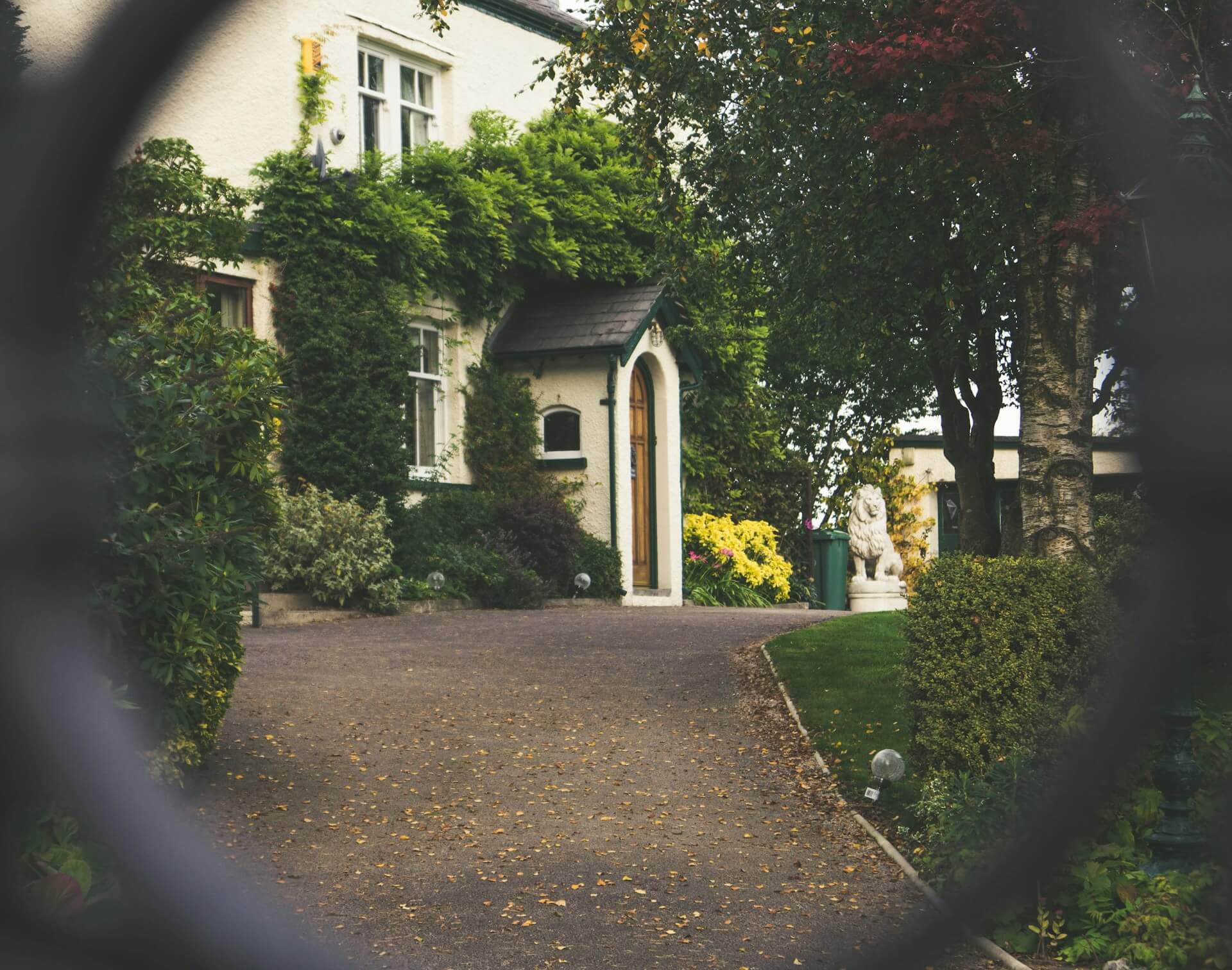
There is something special about arriving at a period property. Whether it is a Victorian terrace, an Edwardian villa or a Georgian townhouse, the architecture tells a story long before you step inside. The driveway, however, can either enhance that story or interrupt it completely.
If you are researching traditional driveway styles for period properties, you are likely keen to protect the character of your home. You do not want a modern, high-gloss finish that feels out of place against original brickwork or stone detailing. At Newcastle Paving, we regularly work with homeowners who want their driveway to feel as though it has always belonged there.
In this detailed guide, I will explore the most suitable traditional driveway styles for period properties, explain material choices, layout considerations and practical requirements, and show how to balance heritage aesthetics with modern durability.
Why Period Properties Require Thoughtful Driveway Design
Period homes are defined by proportion, texture and craftsmanship. Their details were carefully considered when originally built.
Installing the wrong driveway can visually clash with original features. A contemporary surface with sharp lines and bold colours can disrupt the harmony of traditional architecture.
Traditional driveway styles for period properties focus on subtlety, texture and materials that complement age rather than compete with it.
Natural Stone: The Quintessential Traditional Choice
Few materials capture traditional character as effectively as natural stone.
Sandstone for Warmth and Authenticity
Sandstone provides a timeless, earthy appearance. Its natural colour variation complements brick and stone façades beautifully.
For period homes in Newcastle, sandstone works particularly well where a softer, heritage feel is desired.
Granite Setts for Classic Durability
Granite setts are often associated with historic streets and courtyards. Their robust texture and muted tones create an authentic period finish.
Granite is extremely durable and capable of withstanding heavy vehicle use without losing its character.
Cobblestone and Cobbled Effects
Cobblestone-style driveways evoke traditional charm.
Reclaimed Setts for Authenticity
Reclaimed materials add genuine heritage appeal. Their weathered surfaces blend naturally with older properties.
While reclaimed stone may cost more, the visual authenticity is unmatched.
Modern Cobbled Alternatives
New cobble-style blocks replicate traditional aesthetics while offering improved consistency and installation efficiency.
This approach provides heritage character with modern practicality.
Block Paving in Traditional Patterns
Block paving can be designed to suit period properties when patterns and colours are chosen carefully.
Herringbone and Basketweave Patterns
Traditional laying patterns such as herringbone and basketweave complement Victorian and Edwardian architecture.
These patterns feel classic rather than contemporary.
Tumbled Blocks for Aged Appearance
Tumbled or distressed block paving has softened edges and muted tones. This finish avoids the sharp, manufactured look of standard modern blocks.
Choosing heritage colours enhances authenticity.
Gravel Driveways for Country Elegance
Gravel remains one of the most traditional driveway styles for period properties.
Timeless Aesthetic
Gravel driveways have been used for centuries in both rural and urban settings. Their natural texture complements historic homes beautifully.
The gentle crunch underfoot adds to the traditional atmosphere.
Practical Considerations
Gravel offers excellent drainage and is cost-effective. However, proper edging and maintenance are essential to prevent migration and unevenness.
Gravel works particularly well with larger period properties and landscaped gardens.
Brick Driveways for Victorian and Edwardian Homes
Brick is often already a defining feature of period properties.
Matching Existing Brickwork
Using brick pavers that complement the existing façade creates a seamless transition between home and driveway.
Matching tones ensures visual harmony.
Traditional Bond Patterns
Brick laid in stretcher bond or herringbone patterns reinforces period authenticity.
This style feels cohesive rather than imposed.
Soft Colour Palettes for Heritage Appeal
Colour choice is critical when designing traditional driveway styles for period properties.
Earthy Tones
Buff, sandstone, charcoal and muted reds complement historic materials.
These tones enhance rather than overpower architectural features.
Avoiding High-Gloss Finishes
Glossy or overly uniform finishes often look out of place.
Natural textures and matte finishes align better with heritage character.
Edging and Borders for Definition
Subtle edging details elevate traditional designs.
Stone Kerbs
Natural stone kerbs create a refined border that frames the driveway without dominating it.
They also provide strong structural containment.
Brick Edging
Brick edging can mirror original architectural elements.
Consistency in material strengthens the overall design.
Balancing Tradition with Modern Requirements
While aesthetics matter, functionality cannot be ignored.
Drainage Compliance
Traditional driveway styles for period properties must still comply with modern drainage regulations.
Permeable materials or discreet drainage channels can be incorporated without disrupting appearance.
Sub-Base Preparation
Older properties often sit on variable soil conditions.
Proper excavation and compaction ensure structural stability beneath traditional surfaces.
At Newcastle Paving, we prioritise groundwork quality to protect both design and durability.
Integrating Landscaping for Cohesion
Traditional driveways often work best when integrated with planting.
Soft Borders
Low hedging, stone walls or traditional fencing complement heritage surfaces.
Greenery softens hard surfaces and enhances authenticity.
Courtyard-Style Layouts
For larger properties, courtyard-inspired layouts create a grand yet traditional feel.
Symmetry and proportion remain key.
Avoiding Common Design Mistakes
Modern elements can easily disrupt period harmony.
Avoid sharp geometric patterns or contrasting contemporary materials.
Resist bold colour combinations that draw attention away from architectural detail.
Subtlety ensures the driveway enhances rather than competes with the property.
Longevity and Maintenance
Traditional materials often age beautifully.
Natural stone develops character over time.
Brick and gravel can be maintained easily with routine care.
Choosing durable materials ensures your driveway continues to complement your home for decades.
Why Professional Expertise Matters
Designing traditional driveway styles for period properties requires sensitivity to architectural context.
At Newcastle Paving, we approach these projects with respect for heritage character and structural integrity.
We combine authentic materials with modern installation standards to ensure longevity.
Experience ensures that the finished result feels appropriate rather than artificial.
Final Thoughts on Traditional Driveway Styles for Period Properties
Traditional driveway styles for period properties focus on authenticity, texture and balance. Natural stone, granite setts, gravel and heritage-style block paving all offer timeless appeal.
The key is choosing materials and patterns that complement the architecture rather than overpower it. Subtle colours, traditional layouts and high-quality groundwork ensure long-term performance.
If you own a period home in Newcastle, your driveway should reflect its character and history. With careful planning and professional installation, you can create a surface that feels as though it has always belonged there while meeting modern structural and regulatory requirements.
Get A Quick Quote
Please provide your contact details here and we’ll get back to you shortly with a quote. We aim to respond to all quote requests in 24 hours.