There is something powerful about a well-designed garden path. It guides you through the space, connects different areas and quietly shapes how the garden feels as a whole. In Newcastle homes, where weather and soil conditions can quickly turn grass into mud, a properly paved path is often essential rather than decorative.
If you are searching for garden path paving in Newcastle: materials and layouts, you are likely thinking about durability as much as design. A garden path must handle daily foot traffic, heavy rain and seasonal temperature changes without shifting or becoming slippery. At Newcastle Paving, we have installed countless paths across the region, and the difference between a path that lasts five years and one that lasts twenty always comes down to material choice and groundwork.
In this detailed guide, I will walk you through the best materials for Newcastle conditions, layout ideas that enhance flow and practical considerations that ensure your path performs beautifully year after year.
Why Garden Paths Matter More Than You Think
Garden paths are often underestimated. Many homeowners focus on patios and driveways while treating paths as secondary features. Yet a poorly designed path can disrupt the entire garden layout.
A well-placed path creates natural movement and improves accessibility. It prevents muddy shortcuts across lawns and protects planting areas from trampling. In Newcastle’s damp climate, a solid path also keeps shoes clean and reduces indoor mess.
Garden path paving in Newcastle should always combine functionality with visual appeal. The path should feel like part of the landscape rather than an afterthought.
Understanding Newcastle’s Climate and Soil Conditions
Newcastle experiences regular rainfall throughout the year. Clay-heavy soils in certain areas can retain water, which increases ground movement risk. Freeze-thaw cycles during winter also place stress on paving materials.
Because of this, proper sub-base preparation is critical. A compacted hardcore base prevents settlement and reduces the risk of cracking. Skipping this stage is one of the most common reasons paths fail prematurely.
At Newcastle Paving, we prioritise drainage and compaction before a single slab is laid.
Choosing the Right Materials for Garden Path Paving in Newcastle
Natural Sandstone
Sandstone is a popular choice for garden paths. It offers warmth and character, blending beautifully with planting schemes. Its natural variation adds interest without overwhelming the space.
When installed correctly and with proper jointing, sandstone performs well in Newcastle conditions. Sealing can help reduce staining and algae growth in shaded areas.
Limestone
Limestone provides a more consistent appearance than sandstone. Its smooth surface and subtle tones suit both traditional and modern gardens. It pairs particularly well with brick properties common across Newcastle.
However, limestone should be sealed in damp climates to maintain its finish.
Porcelain Paving
Porcelain is increasingly used for garden path paving in Newcastle. It is highly resistant to moisture and staining. Its low porosity makes it ideal for wet conditions.
Large format porcelain slabs can create a sleek, contemporary path. Textured finishes improve grip underfoot during rainy weather.
Concrete Slabs
Concrete paving offers a cost-effective option. Modern designs replicate natural stone while remaining budget-friendly. For longer garden paths, this can be an economical solution.
Proper installation ensures durability even with simpler materials.
Gravel with Edging
Gravel paths are popular for informal gardens. They allow water to drain naturally and are relatively easy to install. However, they require regular maintenance to keep stones contained.
Strong edging is essential to prevent gravel spreading onto lawns or patios.
Layout Ideas That Enhance Flow
Straight Path Layouts
Straight paths create a sense of order and direct movement. They work well in narrow gardens or where the goal is to connect two defined points efficiently. This style suits modern Newcastle homes.
A straight layout can make a small garden feel longer when aligned properly.
Curved and Meandering Paths
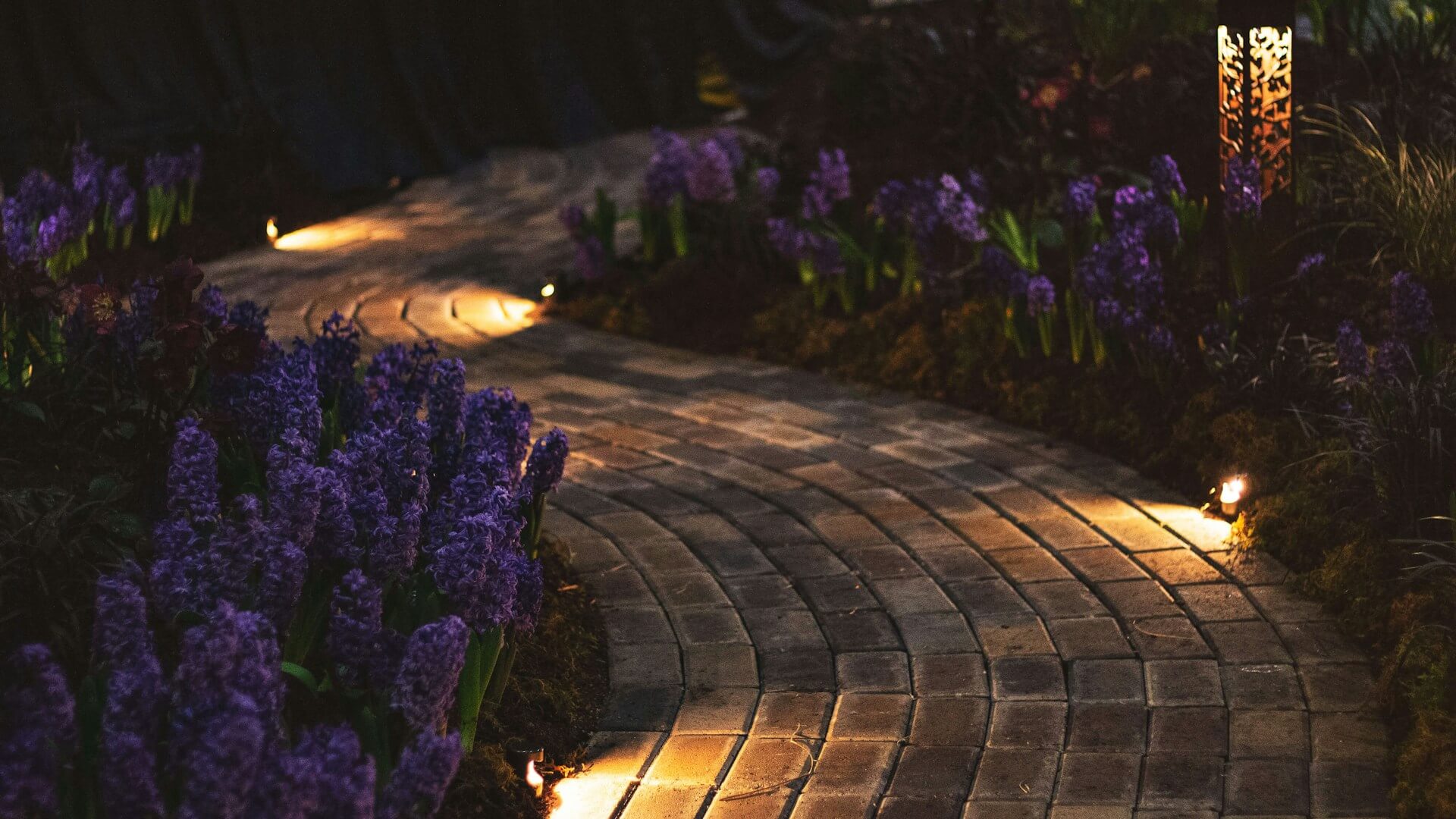
Curved paths introduce softness and intrigue. They guide visitors gradually through planting beds and create visual interest. This layout works particularly well in cottage-style gardens.
In Newcastle properties with deeper plots, a meandering path encourages exploration.
Stepping Stone Paths
Stepping stones spaced through gravel or lawn offer a minimalist look. They create subtle movement without dominating the garden. This option works well in compact spaces.
Spacing must be practical for comfortable walking. Balance aesthetics with usability.
Mixed Material Designs
Combining materials adds texture and contrast. For example, stone slabs with brick edging create definition. This approach can tie the path visually to the house façade.
When exploring garden path paving in Newcastle, consider how materials complement the property’s architecture.
Width and Proportion Considerations
A garden path should be proportionate to the space. Too narrow, and it feels restrictive. Too wide, and it overwhelms planting areas.
For primary routes, a width of around 900mm often works well. Secondary decorative paths can be narrower. Always consider how the path will be used daily.
Proportion affects both practicality and visual harmony.
Edging Options That Make a Difference
Edging defines the path and keeps materials contained. Brick edging adds traditional charm. Metal edging offers a clean, modern finish.
Stone setts can frame natural paving beautifully. Strong edging also prevents grass encroachment and maintains crisp lines.
At Newcastle Paving, we consider edging just as important as the paving itself.
Drainage and Ground Preparation
Even narrow paths require proper fall gradients. Water should run off rather than pool along edges. In some cases, permeable paving may be beneficial.
Sub-base depth depends on ground conditions and expected use. Heavy foot traffic requires stronger support.
Garden path paving in Newcastle must account for long-term soil movement and moisture exposure.
Integrating Lighting into Path Design
Low-level lighting enhances safety and ambience. Recessed lights along edges create subtle definition at night. Solar options are available but wired lighting often provides more consistent performance.
Lighting should highlight the path without overpowering the garden. Thoughtful placement enhances usability during darker months.
Maintenance and Longevity
Regular sweeping prevents debris accumulation. Occasional washing removes algae in shaded areas. Checking joints annually ensures stability.
Sealing natural stone can extend lifespan. Porcelain typically requires less intervention.
Choosing the right material at installation stage reduces long-term maintenance effort.
Budget Planning for Garden Path Projects
Material choice significantly influences cost. Natural stone and porcelain sit at higher price points. Concrete and gravel offer more economical options.
Access to the garden also affects labour costs. Urban Newcastle homes often have narrow entry points, increasing handling time.
Clear budgeting ensures the final result aligns with expectations.
Common Mistakes to Avoid
Neglecting sub-base preparation leads to uneven paths. Surface beauty means little without structural stability.
Ignoring drainage causes long-term problems. Standing water accelerates deterioration.
Choosing materials based solely on appearance without considering Newcastle’s climate can shorten lifespan.
Enhancing Garden Character with Path Design
Paths can frame planting beds and draw attention to focal points. Positioning them strategically improves overall layout. A well-designed path encourages movement through the garden.
In compact gardens, a thoughtfully placed path creates structure without reducing usable space.
Garden path paving in Newcastle should enhance both function and visual appeal.
Final Thoughts on Garden Path Paving in Newcastle: Materials and Layouts
Garden path paving in Newcastle: materials and layouts require careful consideration of climate, soil conditions and design proportion. From sandstone and porcelain to gravel and concrete, each material offers distinct advantages.
Layout choices influence how a garden feels and functions. Straight paths create order, while curved designs introduce softness and exploration.
At Newcastle Paving, we believe a well-built garden path is more than a route from one point to another. It is a defining feature that shapes how you experience your outdoor space, guiding movement while standing up to Newcastle’s weather year after year.
Get A Quick Quote
Please provide your contact details here and we’ll get back to you shortly with a quote. We aim to respond to all quote requests in 24 hours.