
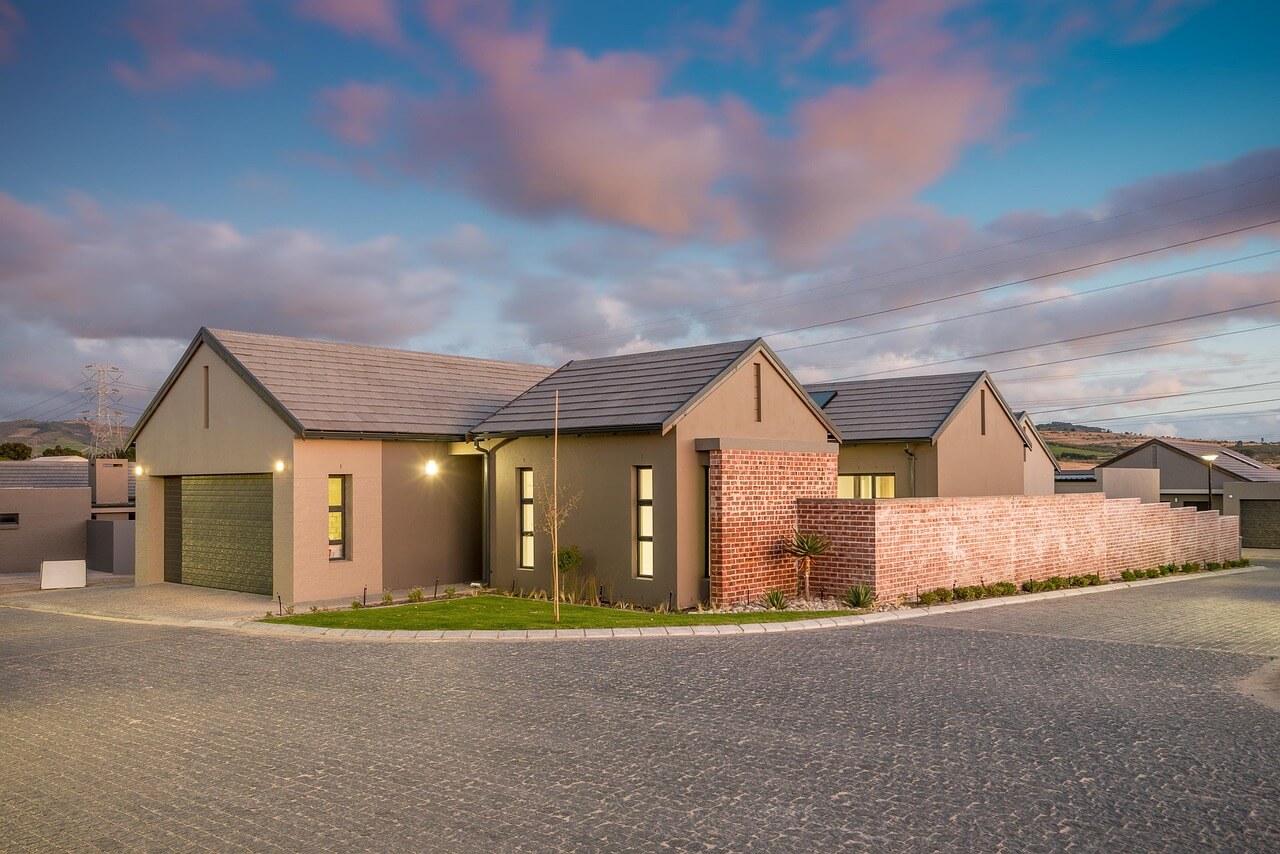
When most homeowners think about a new driveway, they picture the finished surface. They imagine the clean lines of block paving, the smooth finish of resin, or the fresh black sheen of tarmac. What almost nobody gets excited about is the groundwork beneath it.
Yet driveway sub-base installation is the single most important part of the entire project. It is the structural layer that decides whether your driveway lasts five years or twenty-five. At Newcastle Paving, we have repaired countless driveways across the North East where the visible surface looked acceptable, but the base underneath had completely failed.
In this comprehensive guide, I will explain exactly what driveway sub-base installation involves, why it matters so much, how it should be done properly, and how to avoid the common mistakes that lead to sinking and cracking.
What Is a Driveway Sub-Base?
A driveway sub-base is the compacted aggregate layer installed between the natural ground and the finished surface. It acts as a load-distribution platform, spreading the weight of vehicles evenly and preventing pressure from concentrating in one spot.
Without a properly installed sub-base, the soil beneath will compress unevenly over time. This leads to dips, cracking, and structural instability. No surface material, no matter how expensive, can compensate for weak foundations.
Think of it as the structural backbone of your driveway. If the backbone is weak, everything above it eventually suffers.
Why Driveway Sub-Base Installation Is So Critical
Homeowners often assume the surface layer is what determines durability. In reality, most driveway failures begin underground.
Preventing Sinking and Settlement
Every time a vehicle parks on a driveway, it applies significant downward force. Modern SUVs and electric vehicles are heavier than older models, increasing stress on the structure.
If the sub-base is too thin or poorly compacted, that force transfers unevenly into the soil. Over time, the surface above begins to dip or rut.
Managing Newcastle’s Weather Conditions
In areas like Newcastle, rainfall is frequent and winters bring freeze-thaw cycles. Water entering a weak sub-base can soften it and reduce load-bearing capacity.
When temperatures drop, trapped water expands. This expansion pushes materials apart and accelerates structural breakdown.
A properly installed sub-base with effective drainage resists these environmental stresses.
Supporting Different Surface Materials
Block paving, resin, tarmac and concrete all rely on a stable base. The sub-base ensures each surface performs as intended.
If the base moves, the surface moves with it.
The Correct Depth for Driveway Sub-Base Installation
There is no universal depth that suits every property. The correct thickness depends on ground conditions, vehicle usage and surface type.
Typical Residential Driveways
For most domestic driveways, a compacted sub-base depth of 150mm to 200mm is considered standard. This depth provides adequate support for cars and light vans.
However, this is a general guideline rather than a rule.
Poor Ground Conditions and Clay Soil
Clay-heavy soils expand and contract depending on moisture levels. In these cases, deeper excavation may be required to create stability.
Increasing sub-base thickness compensates for ground movement and improves long-term performance.
At Newcastle Paving, we assess soil conditions carefully before finalising depth requirements.
Materials Used in Driveway Sub-Base Installation
Material selection plays a crucial role in structural integrity.
MOT Type 1 Aggregate
MOT Type 1 crushed stone is widely used for driveway sub-base installation. It contains a mixture of particle sizes that interlock when compacted.
This interlocking structure creates strength and load distribution.
Type 3 Aggregate for Permeable Systems
Type 3 aggregate contains fewer fine particles and allows water to pass through more easily. It is often used beneath permeable block paving or resin systems.
This helps meet sustainable drainage regulations while maintaining structural strength.
Recycled Sub-Base Materials
Crushed concrete and other recycled aggregates can be used effectively if quality-controlled. However, consistency and compaction are critical.
The quality of installation matters as much as the material itself.
The Step-by-Step Process of Proper Installation
Correct driveway sub-base installation follows a structured approach.
Excavation
Topsoil and unstable material are removed to reach firm ground. The excavation depth accounts for both sub-base and surface layers.
Inadequate excavation is one of the most common shortcuts taken by inexperienced contractors.
Geotextile Membrane Placement
A geotextile membrane is often laid between the soil and aggregate. This prevents mixing and improves long-term stability.
It also reduces weed growth from beneath the surface.
Layered Aggregate Installation
Sub-base material is added in layers, not all at once. Each layer is compacted thoroughly before the next is placed.
Layering ensures maximum density and strength.
Mechanical Compaction
Compaction is carried out using vibrating plate compactors or rollers. This process eliminates air pockets and binds the material tightly.
Insufficient compaction may not show immediately but will lead to settlement over time.
Common Mistakes in Driveway Sub-Base Installation
Understanding what can go wrong helps you avoid costly repairs.
Reducing Excavation Depth
Some installers cut costs by reducing excavation depth. This saves time and materials but compromises structural stability.
The driveway may appear fine initially but begin sinking within a few years.
Inadequate Compaction
Failing to compact each layer thoroughly results in loose aggregate that shifts under load.
Proper compaction cannot be rushed.
Poor Drainage Planning
Ignoring drainage at sub-base level allows water accumulation. This weakens the foundation and accelerates deterioration.
Drainage design must be integrated from the beginning.
Sub-Base Requirements for Different Driveway Surfaces
Each surface material builds upon the same foundation principles.
Block Paving
Block paving relies on a stable, level sub-base. Movement beneath the surface causes individual blocks to shift or dip.
A sharp sand bedding layer sits above the sub-base to create a smooth laying surface.
Tarmac
Tarmac requires a strong and evenly compacted base to prevent rutting. Insufficient depth often leads to depressions in frequently parked areas.
Resin-Bound
Resin surfaces are rigid and show any underlying movement quickly. Sub-base stability is especially important to prevent cracking.
Concrete
Concrete slabs distribute load well but require a solid base to minimise cracking risk. Reinforcement may also be added.
Cost Considerations
Driveway sub-base installation often represents a significant portion of total project cost.
What Influences Price
Costs depend on excavation depth, aggregate quantity, site access and waste disposal.
Although it may be tempting to reduce spending here, cutting corners almost always results in higher repair costs later.
Investing in proper groundwork ensures long-term savings.
Warning Signs of Sub-Base Failure
If you already have a driveway, there are signs that indicate sub-base problems.
Uneven areas where vehicles park frequently often suggest compression beneath. Cracks spreading across tarmac or concrete may signal structural movement.
Water pooling in certain areas can also indicate sub-base settlement.
Addressing these issues early may prevent full reconstruction.
Why Professional Installation Matters
Driveway sub-base installation is not simply about laying stone and compacting it. It requires understanding load distribution, soil behaviour and water management.
Professional contractors measure accurately, compact methodically and plan drainage carefully.
At Newcastle Paving, we prioritise groundwork because we know it determines everything that follows.
Long-Term Value of a Proper Sub-Base
A correctly installed sub-base provides decades of structural stability.
It reduces maintenance, prevents sinking and protects the overall investment in your driveway.
Homeowners rarely see this layer, but they benefit from it every day.
Final Thoughts on Driveway Sub-Base Installation
Driveway sub-base installation is the unseen foundation that supports every surface choice. No matter how attractive or high-quality the top layer is, it depends entirely on what lies beneath.
Proper excavation depth, quality aggregate, layered compaction and integrated drainage are essential components of a durable driveway. Skipping or reducing any of these steps compromises the entire structure.
If you are planning a new driveway or experiencing problems with an existing one, understanding the importance of the sub-base will help you make informed decisions. A strong foundation ensures your driveway performs reliably through Newcastle’s weather, vehicle loads and seasonal changes for many years to come.
Get A Quick Quote
Please provide your contact details here and we’ll get back to you shortly with a quote. We aim to respond to all quote requests in 24 hours.