It is one of the most common questions we hear when homeowners are planning to upgrade their outdoor space. You want somewhere to sit, entertain and enjoy the garden, but you are torn between two popular options. Do you choose a solid patio or go for raised decking instead?
If you are searching for patio vs decking in Newcastle: which is right for you, you are likely weighing appearance, cost and long-term maintenance. Both options can transform a garden, but they behave very differently in the North East climate. At Newcastle Paving, we regularly guide clients through this exact decision, and the right answer always depends on your property, lifestyle and expectations.
In this detailed guide, I will break down the pros and cons of patios and decking in Newcastle. We will look at durability, cost, maintenance, installation, weather resistance and long-term value so you can make a confident choice.
Understanding the Core Difference
A patio is a solid, ground-level surface typically built from stone, porcelain or concrete slabs. It sits directly on a prepared sub-base and provides a permanent, stable foundation. Patios are known for strength and longevity.
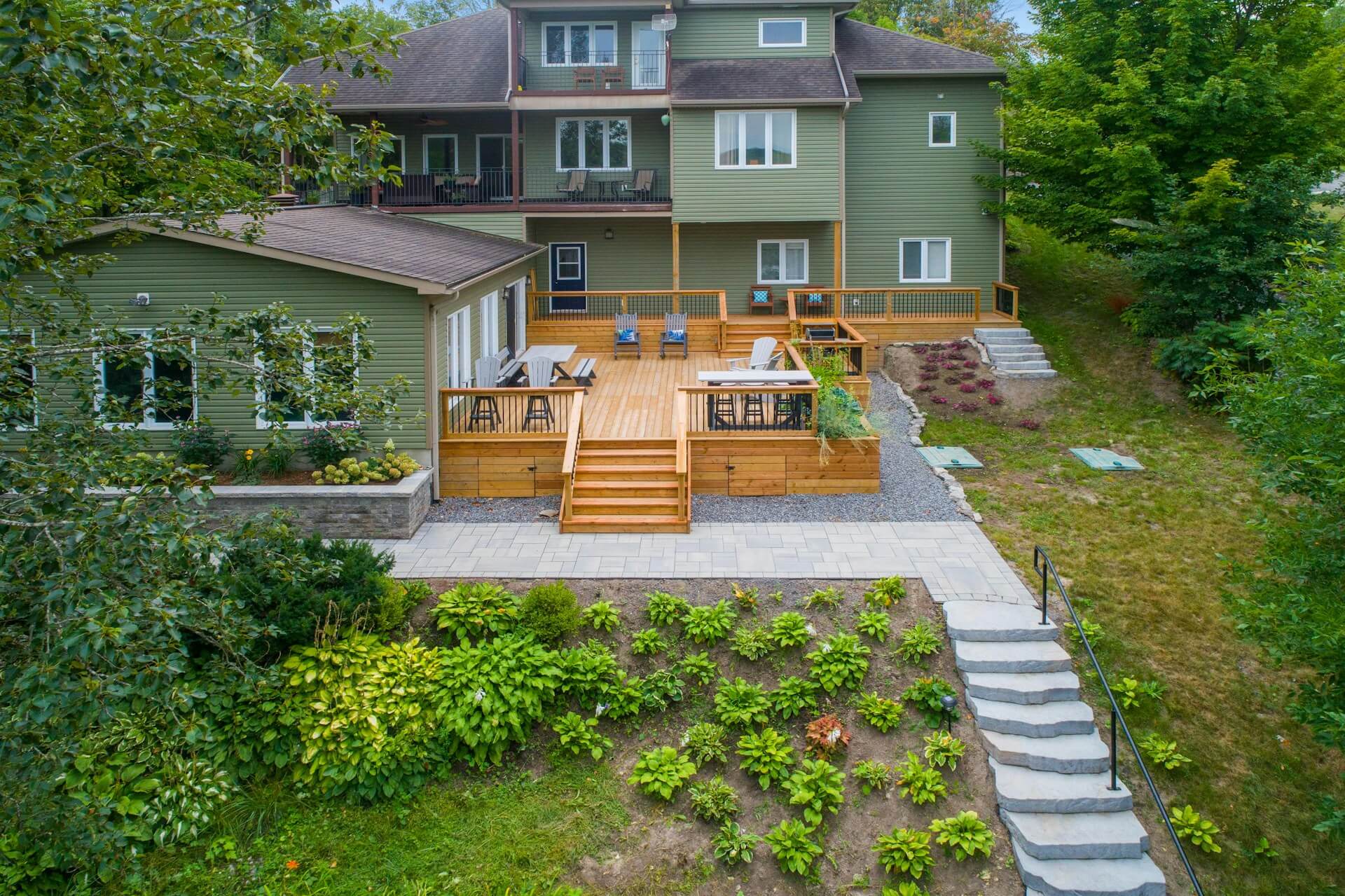
Decking, by contrast, is usually constructed from timber or composite boards raised slightly above ground level. It is supported by a timber or composite framework underneath. This structure gives decking a different feel and performance profile.
Understanding this structural difference is essential when comparing patio vs decking in Newcastle. The way each system is built influences everything from lifespan to maintenance.
How Newcastle’s Climate Affects Your Choice
Newcastle experiences regular rainfall, damp conditions and seasonal temperature changes. These factors significantly influence how materials perform over time. Moisture management is one of the most important considerations.
Patios handle moisture differently than decking. Solid paving with proper drainage allows water to run off efficiently. Decking, especially timber, absorbs moisture and requires ongoing protection.
When advising clients at Newcastle Paving, we always consider local weather conditions first. The North East climate rewards durable, well-drained installations.
Durability Comparison
Patio Durability
A professionally installed patio can last decades with minimal structural issues. Natural stone, porcelain and concrete slabs are designed to withstand foot traffic and changing weather conditions. With correct sub-base preparation, settlement is rare.
Patios are resistant to rot and insect damage. They do not warp or bend under normal residential use. In terms of structural lifespan, patios generally outperform timber decking.
Decking Durability
Timber decking is vulnerable to moisture over time. Without regular sealing and treatment, boards may rot, warp or become slippery. Even pressure-treated timber requires maintenance to preserve integrity.
Composite decking improves durability compared to traditional wood. However, it still relies on a subframe that must remain structurally sound. In damp Newcastle gardens, maintenance commitment becomes a deciding factor.
When comparing patio vs decking in Newcastle for durability alone, patios typically offer greater long-term reliability.
Maintenance Requirements
Patio Maintenance
Patios require periodic cleaning to remove algae and debris. In shaded areas, moss may develop and need attention. However, maintenance is generally straightforward and infrequent.
Jointing may require repointing after many years. Overall, patios demand relatively low ongoing effort compared to timber decking.
Decking Maintenance
Timber decking requires regular staining or sealing to prevent moisture damage. Boards may need sanding or replacement over time. Failure to maintain decking often leads to costly repairs.
Composite decking reduces some maintenance demands but still requires cleaning. Debris between boards can trap moisture and encourage mould.
For homeowners seeking minimal upkeep, patios often present a more convenient solution.
Aesthetic Appeal and Design Style
Patio Appearance
Patios offer a wide range of material options, from sandstone and limestone to porcelain and concrete slabs. Colour, texture and pattern choices allow for significant design flexibility. A well-designed patio can complement both traditional and modern Newcastle homes.
Natural stone creates warmth and authenticity. Porcelain delivers sleek, contemporary lines. Pattern choices further enhance visual appeal.
Decking Appearance
Decking creates a softer, warmer aesthetic. Timber brings natural texture and works well in garden-heavy environments. It can feel cosy and inviting, especially in smaller spaces.
Composite decking offers consistent colouring and modern finishes. However, it rarely achieves the same permanence as stone.
When considering patio vs decking in Newcastle, aesthetic preference plays a major role. The right choice depends on the overall garden vision.
Installation Process
Patio Installation
Patio installation involves excavation, sub-base preparation and full mortar bedding. This process creates a solid, ground-level surface. Installation requires precision and proper drainage planning.
While the installation may take longer, the result is highly stable. Patios are typically permanent features once installed.
Decking Installation
Decking installation involves constructing a raised frame. Boards are then fixed to this structure. Installation can sometimes be quicker than patio laying.
However, the subframe must be built correctly to avoid movement. Poorly installed decking often becomes unstable over time.
Both options require professional expertise for best results.
Cost Considerations
Upfront Costs
Decking may appear cheaper initially, particularly basic timber options. However, cost varies depending on materials and design complexity. Composite decking increases material expenses.
Patio costs depend on slab choice and groundwork requirements. Premium stone may increase material cost, but concrete slabs offer budget-friendly alternatives.
When comparing patio vs decking in Newcastle, initial cost is only part of the equation.
Long-Term Costs
Timber decking often incurs ongoing maintenance costs. Regular treatments and occasional board replacements add to lifetime expense. Over a decade, this can exceed initial savings.
Patios generally require less frequent intervention. Long-term cost efficiency often favours paving.
Evaluating total lifecycle cost rather than upfront price provides clearer financial insight.
Safety and Slip Resistance
Patios can become slippery if algae develops, but regular cleaning resolves this. Many paving materials offer textured finishes for improved grip. Proper drainage reduces standing water.
Timber decking can become slippery in wet conditions. Moss growth between boards increases this risk. Anti-slip treatments may be necessary.
In Newcastle’s damp climate, both surfaces require sensible maintenance for safety.
Ground Conditions and Garden Layout
Patios work best on level ground or gently sloped areas. Excavation and groundwork allow for stable installation. Significant height differences may require retaining walls.
Decking can be advantageous in uneven gardens. Raised platforms accommodate slopes more easily. This flexibility can simplify certain layouts.
When assessing patio vs decking in Newcastle, terrain plays an important role.
Environmental Considerations
Natural stone patios are durable and long-lasting, reducing replacement frequency. Responsible sourcing improves sustainability. Porcelain manufacturing, however, involves energy-intensive processes.
Timber decking relies on wood resources. Sustainable forestry practices mitigate environmental impact. Composite materials use recycled components but still involve manufacturing processes.
Environmental preference may influence your decision.
Resale Value and Property Appeal
A well-installed patio often enhances kerb appeal and perceived property value. Stone or porcelain finishes can create a premium impression. Buyers tend to appreciate durable, low-maintenance features.
Decking can also attract buyers, particularly if well maintained. However, signs of wear may raise concerns about future maintenance.
For long-term property investment, patios frequently offer stronger resale impact.
Which Is Right for You?
Choosing between patio vs decking in Newcastle depends on your priorities. If durability, low maintenance and permanence matter most, a patio is usually the stronger option. It provides structural stability and weather resistance.
If your garden has uneven ground and you prefer a softer aesthetic, decking may suit your needs. However, be prepared for regular upkeep.
At Newcastle Paving, we guide clients based on their lifestyle, budget and long-term expectations. There is no universal answer, only the right fit for your circumstances.
Final Thoughts on Patio vs Decking in Newcastle: Which Is Right for You?
The debate between patio vs decking in Newcastle ultimately comes down to durability, maintenance and design preference. Patios offer long-term strength, minimal upkeep and broad design flexibility. Decking provides warmth and adaptability but requires ongoing care.
Newcastle’s climate tends to favour solid, well-drained surfaces. Moisture exposure challenges timber over time, while properly installed patios remain resilient.
Before deciding, consider how you use your garden, how much maintenance you are willing to commit to and how long you plan to stay in the property. At Newcastle Paving, we believe informed decisions create outdoor spaces that not only look impressive but continue performing reliably for many years, giving you confidence that you chose the right solution from the start.
Get A Quick Quote
Please provide your contact details here and we’ll get back to you shortly with a quote. We aim to respond to all quote requests in 24 hours.