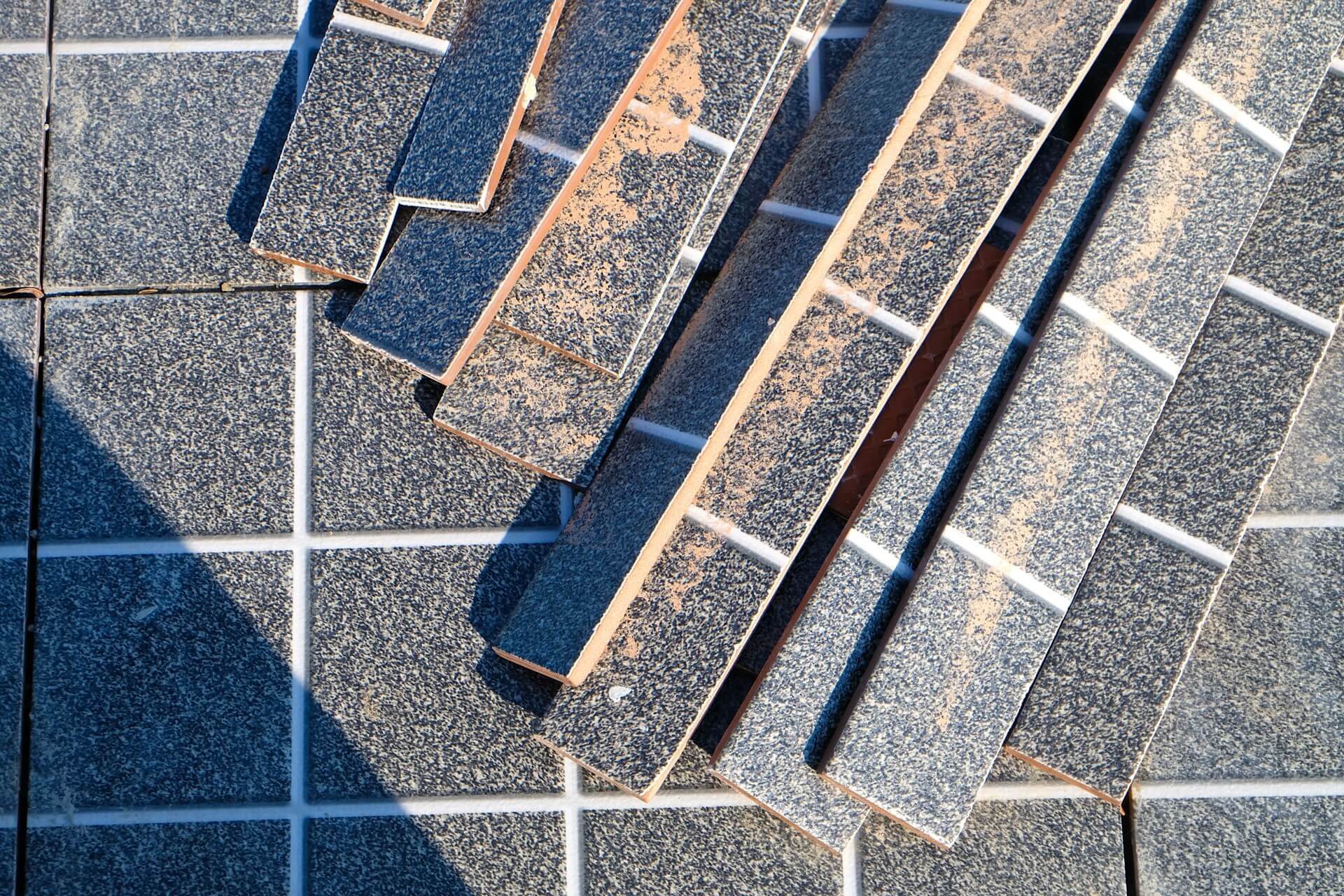
It is easy to focus on colour, texture and pattern when selecting paving. Most people compare samples in the showroom, picture how they will look in the garden and stop there. Yet one of the most important decisions happens beneath the surface, and that is paving thickness.
If you are researching choosing the right paving thickness for your project, you are already ahead of most homeowners. Thickness affects strength, durability and long-term performance far more than appearance ever will. At Newcastle Paving, we often see projects where beautiful slabs have failed simply because the wrong thickness was chosen for the intended use.
In this comprehensive guide, I will explain how paving thickness works, what standards you should be aware of and how to match slab depth to real-world conditions. Whether you are building a patio, driveway or garden path, this decision has lasting consequences.
Why Paving Thickness Matters More Than You Think
Paving thickness directly impacts load-bearing capacity. Thicker slabs can withstand heavier pressure without cracking. Thinner slabs are suitable only for lighter applications.
It also affects resistance to movement and weather exposure. In regions like Newcastle, where rainfall and freeze-thaw cycles are common, slab strength is critical. Selecting the wrong thickness can lead to premature failure even if the installation is otherwise well executed.
Choosing the right paving thickness for your project is not about overbuilding. It is about matching structural demands to the correct material specification.
Understanding Standard Paving Thickness Options
20mm Slabs
Twenty millimetre slabs are common in porcelain paving. They are typically used for patios and light foot traffic areas. When laid on a solid mortar bed, they provide reliable performance.
However, 20mm slabs are not suitable for driveways or areas exposed to vehicles. They simply are not engineered for that level of weight.
30mm to 40mm Natural Stone
Many natural stone slabs fall within the 30mm to 40mm range. This added depth increases durability. They perform well in residential patios and garden paths.
The extra thickness provides greater resilience against minor ground movement.
50mm and Above for Driveways
Driveway paving generally requires slabs or blocks of 50mm or more. This thickness supports vehicle loads without cracking. Sub-base preparation is equally important.
For heavy-duty applications, thinner paving will almost always fail prematurely.
Matching Thickness to Project Type
Garden Paths
Garden paths experience consistent foot traffic but rarely heavy loads. A 20mm porcelain slab on a properly prepared mortar bed is usually sufficient. Natural stone at 30mm also works well.
Choosing thicker slabs for a path may not add meaningful value if the sub-base is correct.
Patios and Seating Areas
Patios require moderate strength. Furniture weight and frequent use create pressure points. A minimum of 20mm porcelain or 30mm natural stone is generally advisable.
When choosing the right paving thickness for your project, always consider how the space will actually be used. Built-in seating or outdoor kitchens may demand additional support.
Driveways and Vehicle Areas
Driveways require substantial strength. For porcelain, 20mm is insufficient unless installed over a reinforced concrete base. Traditional block paving at 50mm or more is standard for vehicle areas.
Natural stone driveways also require greater thickness and robust foundations.
At Newcastle Paving, we never recommend thin slabs for vehicle-bearing surfaces.
The Role of Sub-Base in Thickness Decisions
Thickness alone does not determine performance. A thick slab on a weak sub-base will still fail. Proper compaction of hardcore is essential.
However, thin slabs cannot compensate for heavy loads even with excellent groundwork. Thickness and foundation must work together.
Choosing the right paving thickness for your project means understanding this relationship rather than focusing on one element alone.
Porcelain vs Natural Stone Thickness Considerations
Porcelain is manufactured under controlled conditions. Its density allows thinner slabs to perform well under foot traffic. Natural stone varies in density and strength.
Some stones may require greater thickness to achieve comparable performance. This is why material type influences depth selection.
Do not assume all 20mm slabs perform equally. Material composition matters.
Climate and Thickness
Newcastle’s climate includes regular rainfall and winter frost. Freeze-thaw cycles cause expansion in trapped moisture. Thicker slabs generally resist this stress more effectively.
Poor drainage exacerbates the issue. Combining appropriate thickness with proper falls ensures longevity.
When selecting paving thickness, climate should never be ignored.
Budget Considerations
Thicker slabs typically cost more per square metre. They are heavier and may increase labour time. However, replacing failed paving is far more expensive.
Balancing upfront cost against long-term durability is essential. Investing slightly more in appropriate thickness can prevent costly repairs later.
At Newcastle Paving, we encourage clients to consider lifecycle value rather than initial price alone.
Common Mistakes When Choosing Paving Thickness
One common mistake is choosing thickness based purely on availability. Just because a slab is in stock does not mean it suits your project.
Another frequent error is assuming that all patios require the same specification. Elevated patios or terraces may demand greater strength.
Failing to consult installation professionals often leads to mismatched choices.
Structural Edge Support and Thickness
Edges experience more stress than central areas. Steps and exposed borders may require thicker materials or reinforced support.
Using thinner slabs on step treads can increase breakage risk. Matching step thickness to slab depth improves visual consistency and safety.
Choosing the right paving thickness for your project also involves understanding edge dynamics.
Thickness for Raised and Suspended Installations
Raised patios and pedestal systems introduce different load considerations. Suspended installations require slabs engineered for specific support intervals.
Porcelain designed for pedestal systems often comes in reinforced variants. Always verify manufacturer guidelines.
In such scenarios, thickness is part of a broader structural calculation.
Aesthetic Impact of Thickness
Thickness influences appearance as well as performance. Thicker slabs can create a more substantial, premium feel. Thin slabs may require careful detailing to avoid looking insubstantial.
Visible edges should be finished neatly. Step faces and borders should align proportionally.
Structural decisions affect visual outcomes more than many realise.
Practical Advice for Homeowners
Before purchasing paving, confirm intended use. Clarify whether the area will support vehicles, heavy furniture or purely foot traffic.
Discuss thickness with your installer before ordering materials. Retrofitting after delivery is costly and inconvenient.
Choosing the right paving thickness for your project begins with clarity about how the space will function.
Long-Term Performance and Maintenance
Appropriate thickness reduces cracking risk. It also improves resistance to minor ground movement. Combined with proper installation, it ensures durability.
Regular inspection of joints and drainage further protects investment. Even thick slabs require sensible maintenance.
Well-chosen thickness supports longevity rather than masking poor groundwork.
Final Thoughts on Choosing the Right Paving Thickness for Your Project
Choosing the right paving thickness for your project is one of the most important decisions you will make. It determines whether your patio or driveway will perform reliably or develop cracks within a few seasons.
Thickness must align with intended use, local climate and sub-base preparation. It is not about selecting the thickest option available, but about matching structural requirements accurately.
At Newcastle Paving, we guide homeowners through this process every day. By combining correct slab depth with professional groundwork, we ensure paving installations that look impressive and stand up to Newcastle’s demanding weather conditions for years to come.
Get A Quick Quote
Please provide your contact details here and we’ll get back to you shortly with a quote. We aim to respond to all quote requests in 24 hours.