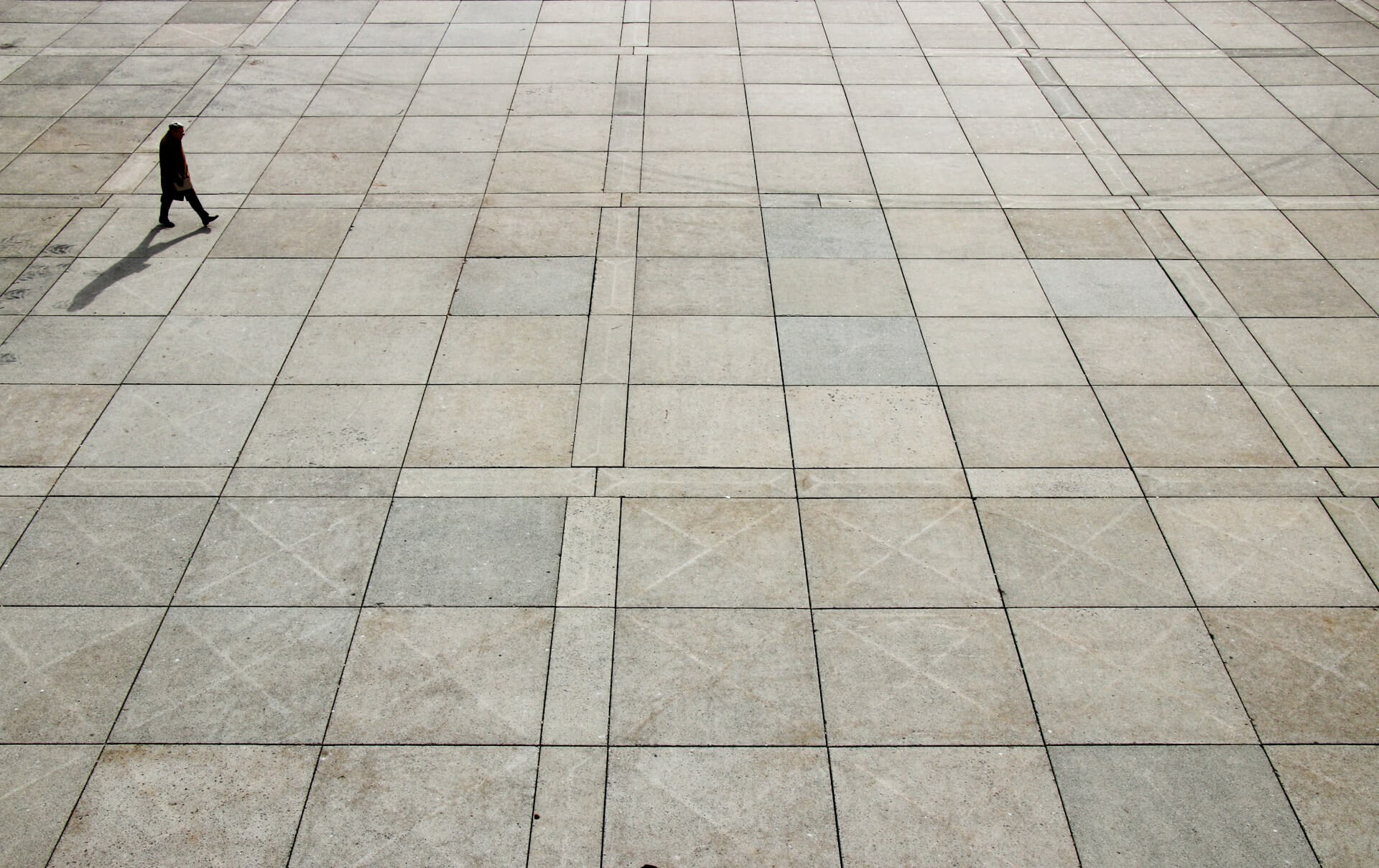
There is a reason Indian sandstone continues to dominate patio design across the UK, and especially here in the North East. It offers warmth, natural variation and a character that manufactured paving simply cannot replicate. When the sunlight catches the surface, the tones shift subtly, giving your garden depth and movement rather than a flat, artificial look.
If you are researching Indian sandstone patios in Newcastle: what to consider, you are likely thinking long term. A patio is not just somewhere to place garden furniture; it becomes the centrepiece of your outdoor space and often the backdrop to family gatherings, barbecues and quiet evenings. At Newcastle Paving, we have installed sandstone patios across Newcastle in every type of garden imaginable, and the difference between an average result and an exceptional one always comes down to careful planning.
In this complete guide, I will walk you through everything you need to think about before choosing Indian sandstone. From colour selection and slab quality to installation methods, drainage and maintenance, every detail matters if you want your investment to last decades rather than years.
Why Indian Sandstone Is So Popular in Newcastle
Indian sandstone has earned its reputation because it delivers strong visual impact without entering premium stone price brackets. It provides a natural, organic appearance that suits both traditional terraces and modern detached homes. Few materials balance affordability and character quite so well.
In Newcastle’s varied housing landscape, sandstone adapts easily to different property styles. Whether you live in a red brick semi in Gosforth or a stone-built home on the outskirts, sandstone tends to complement rather than clash. Its versatility makes it one of the safest and most attractive patio choices available.
Another reason for its popularity is durability when installed correctly. Sandstone handles regular foot traffic well and performs reliably in the North East climate when supported by a solid base. With proper groundwork, it becomes a long-term feature rather than a short-term cosmetic upgrade.
Understanding the Nature of Indian Sandstone
Before committing to Indian sandstone, it is important to understand that it is a natural material with inherent variation. Each slab will differ slightly in tone, veining and texture, and that variation is part of its appeal. If you are expecting perfect uniformity, sandstone may surprise you.
Unlike porcelain, which is manufactured to precise colour standards, sandstone is formed by nature. This means small differences in shade are completely normal and should not be seen as defects. In fact, these differences create the depth and authenticity that make sandstone patios feel premium.
When planning Indian sandstone patios in Newcastle, you should view sample boards in natural daylight rather than under showroom lighting. Outdoor light reveals the true colour blend and helps you visualise how it will look in your garden setting. Taking time at this stage prevents regret later.
Choosing the Right Colour for Your Property
Colour selection is one of the most important decisions you will make. Buff sandstone offers warm honey tones that pair beautifully with red brick properties and traditional gardens. It creates a welcoming, timeless finish that rarely goes out of style.
Grey sandstone is increasingly popular for contemporary homes. It provides a clean, modern feel and works well with anthracite window frames, rendered walls and minimalist landscaping. The cooler tones can make a space feel sleek without losing natural character.
Autumn and multi-blend stones provide richer variation and a more rustic appearance. These mixes work particularly well in gardens with planting, wooden fencing and soft landscaping. Matching the patio tone to your home’s exterior ensures the finished result feels cohesive rather than disconnected.
Calibrated vs Non-Calibrated Sandstone
One technical consideration many homeowners overlook is slab thickness. Calibrated sandstone is machine-cut to a consistent thickness, typically around 22mm, which makes installation more efficient. It allows for a more predictable mortar bed and smoother levelling.
Non-calibrated sandstone varies slightly in thickness from slab to slab. While this can enhance the natural, rustic feel, it requires a skilled installer to achieve a flat, stable finish. Labour time can increase due to the need for individual adjustments.
When installing Indian sandstone patios in Newcastle, calibrated stone often provides better long-term consistency. However, if you prefer a more traditional appearance and are working with experienced professionals, non-calibrated stone can deliver beautiful results.
The Critical Role of Sub-Base Preparation
The surface may be what you see, but the foundation determines longevity. A proper excavation to the correct depth is essential, particularly in areas with softer ground. Without adequate preparation, even high-quality sandstone can shift over time.
A strong sub-base typically consists of compacted MOT Type 1 aggregate laid in layers. Each layer must be thoroughly compacted to remove air gaps and create structural stability. This prevents future settlement and uneven slabs.
In Newcastle’s damp climate, sub-base preparation is even more important. Poor drainage or insufficient compaction can lead to movement during freeze-thaw cycles. At Newcastle Paving, we never compromise on groundwork because it is the backbone of every successful patio.
Full Mortar Bedding vs Spot Bedding
How slabs are laid onto the base matters just as much as the base itself. Full mortar bedding means each slab is supported across its entire underside, eliminating hollow spaces. This method significantly reduces the risk of rocking or cracking.
Spot bedding, where only small patches of mortar are applied, can leave voids beneath the stone. These voids allow water to collect, which may weaken the patio over time. Movement and instability often follow.
For Indian sandstone patios in Newcastle, full mortar bedding is the professional standard. It ensures long-term durability and reduces the likelihood of expensive repairs.
Drainage Considerations in Newcastle
Newcastle experiences regular rainfall, and proper drainage planning is essential. A patio should be installed with a gentle fall away from the property to direct water safely. Without this gradient, water can pool and cause staining or structural issues.
Channel drains may be required near door thresholds or in low-lying gardens. These systems collect surface water and redirect it effectively. Ignoring drainage can shorten the lifespan of even the best-installed sandstone.
Thoughtful drainage design protects both your patio and your home. It is not just a technical requirement, but a safeguard against long-term damage.
Jointing Options and Their Impact
Jointing is more than a finishing touch. It locks the slabs in place and prevents water infiltration between them. Choosing the right jointing method influences both appearance and maintenance levels.
Traditional sand and cement joints provide strong, durable results when installed correctly. However, modern resin-based jointing compounds offer flexibility and reduced cracking in certain conditions. Each option has advantages depending on usage and exposure.
Proper jointing enhances the overall finish of Indian sandstone patios in Newcastle. Clean, consistent joints elevate the appearance and improve long-term stability.
Should You Seal Indian Sandstone?
Sealing is often recommended but should be approached carefully. A quality sealant can reduce staining from leaves, food spills and algae. It can also slightly deepen the colour tones of the stone.
However, sealing must be done after the patio has fully cured and dried. Incorrect application can trap moisture or create patchy finishes. Professional advice ensures sealing enhances rather than harms the patio.
Sealing is not mandatory, but in shaded or high-use areas, it can provide added protection. Understanding your garden’s conditions helps determine whether it is worthwhile.
Maintenance Requirements
Indian sandstone is relatively low maintenance, but it does require periodic care. Regular sweeping removes debris that could encourage moss growth. Occasional washing keeps the surface fresh and safe.
In shaded Newcastle gardens, algae can develop if left unattended. A gentle cleaning routine once or twice a year prevents buildup. Avoiding harsh chemicals protects the stone’s natural finish.
With consistent upkeep, Indian sandstone patios in Newcastle retain their charm for many years. Maintenance is minimal compared to the lifespan you gain.
Cost Considerations
The cost of Indian sandstone patios in Newcastle varies depending on slab quality, patio size and groundwork requirements. Premium-grade stone with consistent colour and thickness may cost more initially. However, higher quality often means better durability.
Installation costs are influenced by excavation depth, access constraints and drainage needs. Gardens with restricted entry points may require additional labour. Transparent quotations help you understand exactly where your investment is going.
While sandstone is not the cheapest patio option available, it provides strong long-term value. Evaluating cost across decades rather than focusing only on initial outlay offers clearer perspective.
Enhancing the Overall Design
A patio should not exist in isolation from the rest of your garden. Integrating borders, edging and planting creates a balanced design. Coordinated materials for steps and pathways add continuity.
Lighting can transform the patio during evening use. Subtle edge lighting highlights the stone’s texture and improves safety. Small design details elevate a good patio into an exceptional outdoor space.
At Newcastle Paving, we encourage homeowners to view sandstone as part of a wider landscaping plan. Cohesion across elements enhances both usability and aesthetics.
Common Mistakes to Avoid
Choosing the cheapest stone available can lead to disappointment. Lower-grade sandstone may have inconsistent thickness or poor durability. Saving on materials often results in higher long-term costs.
Rushing installation or skipping full bedding compromises stability. Overlooking drainage can cause staining and water damage. Each shortcut increases the risk of premature failure.
Taking time to plan carefully avoids these common issues. Proper preparation is always worth the investment.
Final Thoughts on Indian Sandstone Patios in Newcastle: What to Consider
Indian sandstone patios in Newcastle offer warmth, durability and timeless appeal when installed correctly. From colour selection and slab thickness to drainage and jointing, every decision shapes the final outcome. Careful planning ensures your patio performs as beautifully as it looks.
When groundwork is solid and installation standards are high, sandstone becomes a long-term asset. It enhances lifestyle, improves kerb appeal and adds value to your property. At Newcastle Paving, we believe the key to a successful patio lies in informed decisions and professional execution, because the right choices today determine how your outdoor space feels for decades to come.
Get A Quick Quote
Please provide your contact details here and we’ll get back to you shortly with a quote. We aim to respond to all quote requests in 24 hours.