
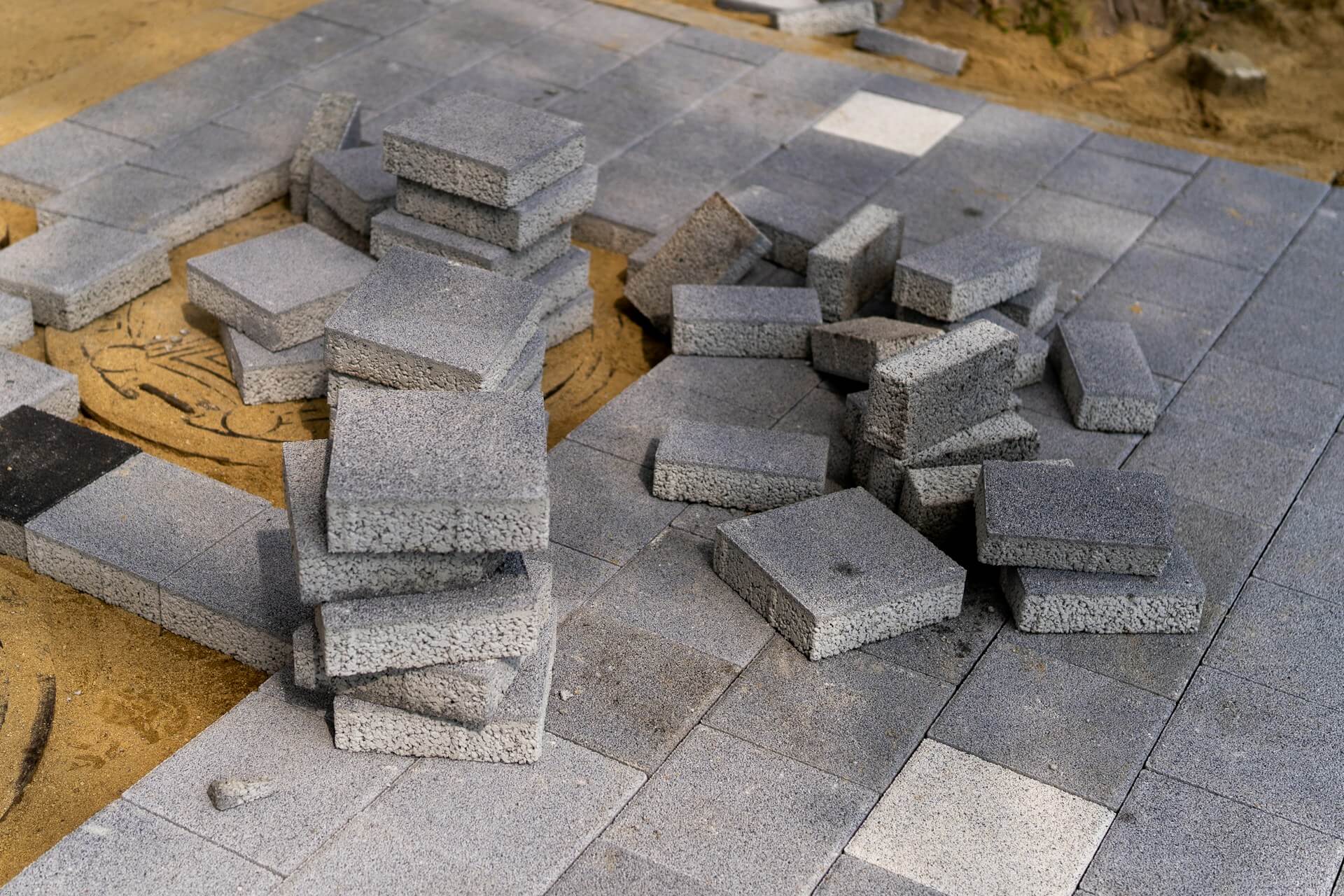
A well-installed patio changes how you use your garden. It creates structure, defines space and turns unused lawn into a functional outdoor living area. When built properly, it becomes a feature you rely on for decades rather than a surface that starts shifting after a few winters.
If you are searching for patio installation in Newcastle: step-by-step overview, you want to understand what actually happens from start to finish. Too many homeowners focus only on slab choice without understanding the groundwork that determines lifespan. At Newcastle Paving, we have installed patios across the North East in every type of garden setting, and we know that preparation and precision matter just as much as appearance.
In this detailed guide, I will walk you through the full patio installation process. From initial planning and excavation to laying, jointing and aftercare, each stage plays a critical role in creating a durable, level and attractive outdoor surface.
Why Proper Patio Installation Matters
A patio is only as strong as the foundation beneath it. Slabs may look solid on the surface, but without the correct sub-base and bedding, they can sink, rock or crack over time. Newcastle’s damp climate increases the importance of proper installation techniques.
Poor drainage and inadequate compaction are two of the most common causes of failure. When water penetrates beneath slabs and freezes during winter, movement becomes inevitable. Understanding the installation process helps you avoid costly mistakes.
At Newcastle Paving, we approach every patio installation in Newcastle with long-term performance in mind. A patio should look as good in ten years as it does on completion day.
Step 1: Initial Planning and Design
Assessing the Space
Every successful patio installation begins with a site assessment. This includes measuring the area, checking ground levels and identifying drainage considerations. Existing structures, access points and garden layout all influence design.
The orientation of the property also matters. Sun exposure, prevailing winds and natural shade affect how the patio will be used. These details shape layout decisions early on.
Choosing Materials
Material selection comes next. Options range from natural stone such as sandstone and limestone to porcelain and concrete slabs. Each material has its own installation requirements and aesthetic impact.
Budget, maintenance expectations and design style all play a role. Selecting the right material ensures the finished patio complements the property.
Step 2: Marking Out the Area
Before excavation begins, the patio footprint is clearly marked out. String lines and stakes define edges and finished levels. Accuracy at this stage prevents alignment issues later.
This is also when falls for drainage are calculated. A slight gradient away from the house ensures water runs off effectively. Even small errors here can cause long-term problems.
Careful marking out sets the framework for the entire patio installation in Newcastle.
Step 3: Excavation
Removing Existing Surface
The next stage involves removing turf, old paving or other surface materials. Excavation depth depends on intended use and soil conditions. Typically, this includes enough space for sub-base, bedding layer and slab thickness.
In Newcastle gardens with softer soil, deeper excavation may be necessary. Proper depth prevents future settlement.
Achieving the Correct Depth
For most patios, excavation ranges between 150mm and 250mm. This allows room for a solid sub-base and mortar bed. Precision during excavation ensures consistent levels throughout.
Skipping proper excavation is a common cause of uneven patios. Depth consistency supports long-term stability.
Step 4: Installing the Sub-Base
Laying MOT Type 1 Aggregate
The sub-base provides structural strength. MOT Type 1 aggregate is spread evenly across the excavated area. It is then compacted in layers using professional equipment.
Layered compaction eliminates air pockets and prevents movement. Each layer must be fully compacted before the next is added.
Checking Levels and Falls
Once compacted, levels are checked carefully. The required fall away from the property is confirmed at this stage. Correct drainage planning protects the patio and the home.
The sub-base is arguably the most important stage of patio installation in Newcastle. It determines whether the surface remains stable for years to come.
Step 5: Installing Edge Restraints
Edge restraints hold the patio in place. These can be kerbs, bricks or concrete haunching depending on design. Without strong edges, slabs can gradually spread outward.
Properly secured edges prevent lateral movement. They are essential for maintaining alignment and pattern integrity.
At Newcastle Paving, we treat edge restraints as structural elements rather than decorative extras.
Step 6: Preparing the Mortar Bed
Mixing the Mortar
A full mortar bed is prepared using a sand and cement mix. The consistency must be workable yet firm enough to support slabs evenly. Proper ratios ensure durability.
Consistency across the patio area prevents uneven settlement. Careful preparation leads to better bonding.
Applying the Mortar
Mortar is laid evenly across the sub-base in manageable sections. It is not applied in isolated spots. Full bedding ensures complete support beneath each slab.
Spot bedding leaves voids that can trap water. Full mortar bedding is essential for long-term stability.
Step 7: Laying the Paving Slabs
Positioning and Levelling
Each slab is carefully positioned onto the mortar bed. A rubber mallet and spirit level ensure correct alignment and height. Joints are spaced consistently for a clean finish.
Accuracy at this stage affects both appearance and performance. Even minor misalignments can become noticeable over time.
Maintaining Pattern Consistency
If the design includes a specific pattern, careful alignment is critical. Whether using stretcher bond or a more decorative layout, consistency defines professionalism.
During patio installation in Newcastle, precision laying prevents uneven edges and misaligned joints.
Step 8: Jointing the Patio
Filling the Joints
Once slabs are set, joints are filled with mortar or specialist jointing compound. Proper jointing locks slabs together and prevents movement. It also limits water penetration between slabs.
Joints should be neatly finished to complement the surface. Clean edges enhance the overall appearance.
Cleaning Excess Material
Excess mortar is removed before it hardens. Attention to detail at this stage prevents staining. The patio is then gently cleaned to reveal the finished surface.
Proper jointing completes the structural integrity of the patio.
Step 9: Final Checks and Finishing Touches
After installation, levels and drainage are rechecked. Water should flow away from the property without pooling. Any minor adjustments are addressed immediately.
The surrounding area is tidied, and debris is removed. A clean finish ensures the patio looks complete and professional.
At Newcastle Paving, we carry out thorough inspections before considering a patio installation complete.
Common Mistakes to Avoid
Rushing excavation often leads to shallow sub-bases. This increases the risk of movement and sinking. Cutting corners on groundwork is a false economy.
Skipping full mortar bedding is another frequent mistake. Voids beneath slabs weaken the entire surface.
Ignoring drainage planning can result in standing water and staining. Every stage must be completed carefully to ensure durability.
How Long Does Patio Installation Take?
The timeframe depends on patio size, material choice and weather conditions. Smaller patios may take several days, while larger projects require more time. Proper curing periods must also be respected.
Weather can influence scheduling in Newcastle. Heavy rain may delay certain stages. Allowing sufficient time ensures quality is not compromised.
Maintenance After Installation
Regular sweeping prevents debris buildup. Occasional washing keeps the surface fresh. Sealing may be recommended depending on material choice.
Addressing small issues early prevents larger repairs. Proper maintenance extends lifespan significantly.
A well-installed patio requires minimal intervention beyond routine care.
Final Thoughts on Patio Installation in Newcastle: Step-by-Step Overview
Patio installation in Newcastle is a structured process that demands precision at every stage. From excavation and sub-base preparation to full mortar bedding and jointing, each step supports long-term durability. Skipping or rushing any part risks future failure.
Understanding the process empowers you to ask the right questions and choose the right installer. A patio should not only look impressive on completion day but remain level, stable and attractive for years to come.
At Newcastle Paving, we believe great patios are built from the ground up. When installation standards are high and attention to detail is consistent, the result is an outdoor space that enhances your home, supports daily use and stands strong through Newcastle’s changing seasons.
Get A Quick Quote
Please provide your contact details here and we’ll get back to you shortly with a quote. We aim to respond to all quote requests in 24 hours.