
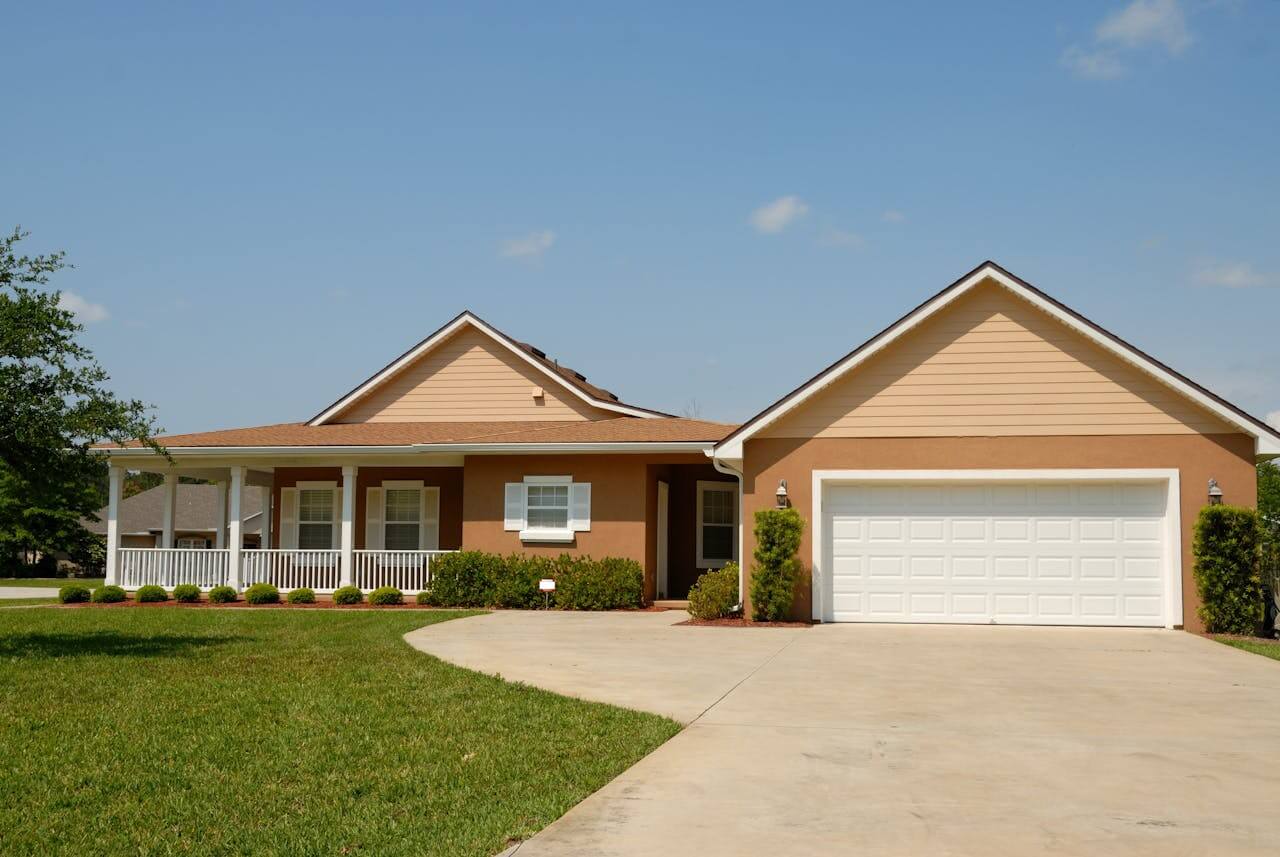
There comes a point where patching and filling simply are not enough. Cracks spread wider, sections sink, and what was once a solid concrete driveway begins to look tired and uneven. When repairs no longer deliver lasting results, full replacement becomes the smarter long-term decision.
If you are researching replacing a concrete driveway: step-by-step guide, you are likely weighing cost, disruption and durability. Replacing a driveway is a significant project, but when done properly, it can provide decades of reliable performance. At Newcastle Paving, we have replaced countless ageing concrete driveways across the North East, and the difference between a short-lived surface and a durable one always comes down to preparation and precision.
This guide explains the entire process, from initial assessment to final curing, so you understand exactly what replacing a concrete driveway involves.
When Should You Replace a Concrete Driveway?
Not every crack requires full replacement. However, certain signs indicate structural failure rather than surface wear.
Widespread cracking across multiple areas suggests sub-base movement. Large sections that rock underfoot or significant settlement indicate deeper instability.
Drainage issues, repeated patch failures and visible spalling are also warning signs. When problems are structural, replacement often proves more cost-effective than ongoing repairs.
Understanding when to replace rather than repair saves money in the long run.
Step 1: Initial Assessment and Planning
Before any work begins, a thorough inspection is essential.
At Newcastle Paving, we evaluate the extent of damage, underlying ground conditions and drainage performance. We also assess driveway size, access constraints and whether levels need adjustment.
This planning stage ensures the new driveway is designed to address previous weaknesses. Clear planning prevents repeating past mistakes.
Step 2: Removing the Existing Concrete
Replacing a concrete driveway begins with complete removal of the old slab.
Breaking and Lifting
Specialist equipment is used to break up the existing concrete. The broken sections are then removed and disposed of responsibly.
This stage can be noisy and dusty, but it is necessary to access the ground beneath.
Clearing the Sub-Base
Once the concrete is removed, the underlying base is inspected. Any unstable or poorly compacted material is excavated.
A fresh start at this level is critical for long-term durability.
Removing compromised materials ensures the new driveway does not inherit previous structural issues.
Step 3: Excavation and Ground Preparation
After removal, excavation continues to the required depth.
The depth depends on expected load and soil conditions. In Newcastle, clay-heavy soils may require deeper excavation to prevent movement.
Proper ground preparation is one of the most important stages when replacing a concrete driveway.
Skipping depth or compaction compromises the entire structure.
Step 4: Installing the Sub-Base
The sub-base forms the foundation of the new driveway.
Aggregate Installation
A high-quality aggregate, typically MOT Type 1, is installed in layers. Each layer is compacted thoroughly using specialist equipment.
Layered compaction prevents future settlement.
Levelling and Gradient Formation
Correct levels are set to ensure water drains away from the property. Poor gradients lead to pooling and surface weakening.
Accurate levelling at this stage protects both the driveway and surrounding areas.
A strong, well-compacted sub-base determines how long the new concrete driveway will last.
Step 5: Installing Formwork and Reinforcement
Formwork defines the edges and shape of the driveway.
Timber or steel forms are positioned carefully to create clean boundaries. Edge restraints may also be installed for additional strength.
Reinforcement mesh or steel bars are sometimes added, especially for driveways supporting heavier vehicles.
Reinforcement improves structural integrity and reduces cracking risk.
Precision during this stage influences both appearance and performance.
Step 6: Pouring the Concrete
Once preparation is complete, the concrete is poured.
Correct Concrete Mix
The correct mix ratio is essential for strength and durability. Too much water weakens the final surface.
Professional contractors ensure the mixture meets structural requirements.
Levelling and Finishing
Concrete is levelled and smoothed carefully. Depending on preference, finishes may include brushed, textured or patterned surfaces.
Finishing not only affects appearance but also slip resistance.
Attention to detail during pouring and finishing contributes to longevity.
Step 7: Cutting Control Joints
Concrete naturally expands and contracts with temperature changes.
Control joints are cut into the slab to manage this movement. These joints guide where minor cracking may occur, preventing random fractures.
Properly spaced joints significantly reduce long-term cracking issues.
This is a critical stage when replacing a concrete driveway.
Step 8: Curing the Concrete
Curing is often underestimated, yet it is vital.
Concrete gains strength gradually over time. Proper curing prevents premature drying and surface weakness.
During this period, heavy loads should be avoided. Vehicles should not use the driveway until the recommended curing time has passed.
Patience during curing ensures long-term durability.
How Long Does Replacement Take?
The full process typically takes several days.
Removal and excavation may take one to two days depending on size. Sub-base preparation and pouring follow shortly after.
Curing requires additional time before full vehicle use.
Weather conditions may influence scheduling, particularly in colder months.
Planning for temporary parking during this period prevents inconvenience.
Costs of Replacing a Concrete Driveway
Costs depend on size, access and ground conditions.
Larger driveways require more materials and labour. Challenging access may increase complexity.
Ground instability or additional drainage work also influences pricing.
While replacement involves a higher initial investment than patch repairs, it often eliminates recurring maintenance expenses.
Viewing replacement as a long-term solution helps justify the cost.
Common Mistakes to Avoid
Replacing a concrete driveway is not just about pouring new material.
Insufficient excavation depth is one of the most common errors. Weak sub-base preparation leads to premature cracking.
Skipping reinforcement in heavy-load areas can compromise durability.
Poor drainage design results in water damage and surface deterioration.
Working with experienced professionals ensures structural integrity from the ground up.
Maintaining Your New Concrete Driveway
Once installed, basic maintenance protects longevity.
Keep the surface clean to prevent staining and algae growth. Seal the driveway periodically to reduce moisture penetration.
Avoid using aggressive de-icing salts during winter months.
Address minor cracks early before they expand.
With proper care, a new concrete driveway can last decades.
Why Professional Installation Matters
Concrete driveway replacement is a structural project.
At Newcastle Paving, we emphasise foundation preparation as much as surface finish. Every stage, from excavation to curing, affects long-term performance.
Experienced contractors understand how Newcastle’s climate and soil conditions influence driveway durability.
Professional installation ensures the new driveway performs reliably for years.
Final Thoughts on Replacing a Concrete Driveway: Step-by-Step Guide
Replacing a concrete driveway is a detailed process requiring careful planning, proper excavation and precise installation. From removing the old slab to curing the new surface, each stage contributes to structural strength.
While the project may seem disruptive initially, a correctly installed concrete driveway offers decades of reliable performance. Addressing previous drainage or sub-base issues during replacement prevents recurring problems.
At Newcastle Paving, we believe longevity starts beneath the surface. With thorough preparation and expert workmanship, replacing a concrete driveway becomes a long-term investment in both practicality and property value.
Get A Quick Quote
Please provide your contact details here and we’ll get back to you shortly with a quote. We aim to respond to all quote requests in 24 hours.