If you own a sloped garden, you will know the frustration. What looks charming in estate agent photos can quickly become awkward in real life. Furniture wobbles, water runs downhill toward the house and the lawn becomes difficult to use properly.
If you are searching for steps and paving combinations for sloped gardens, you are likely looking for structure, safety and smarter use of space. A well-designed combination of paving and steps can completely transform an uneven plot into a layered, practical outdoor area. At Newcastle Paving, we regularly work with sloping gardens across the region, and the key is always thoughtful planning rather than trying to force a flat solution onto uneven ground.
In this detailed guide, I will explain how to design steps and paving that work together, how to manage drainage properly and which materials perform best in challenging terrain.
Why Sloped Gardens Need a Different Strategy
Flat gardens allow simple patio installations. Sloped gardens require a structural approach. Ignoring the gradient and laying paving directly on a slope almost always leads to long-term problems.
Water naturally travels downhill. Without proper terraces or step integration, heavy rainfall can undermine paving and wash away jointing material. In Newcastle’s climate, this risk increases during prolonged wet periods.
Steps and paving combinations for sloped gardens must work with gravity rather than against it. That means creating level platforms connected by carefully designed transitions.
Understanding Levels Before You Build
Assessing the Gradient
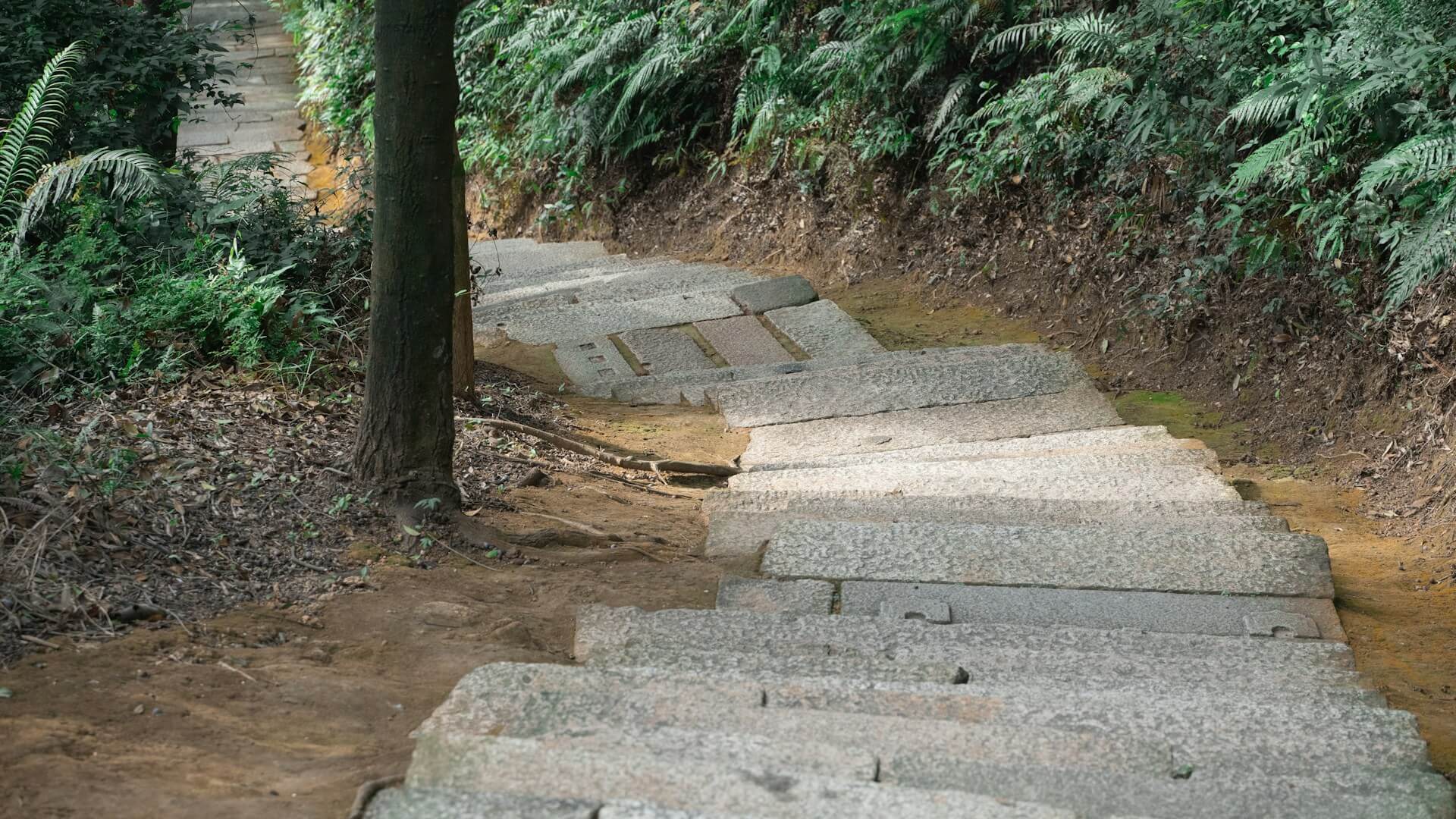
The first step is understanding how steep the slope actually is. A gentle gradient may only require a few shallow steps. A steep incline may need multiple terraced levels.
Accurate measurement ensures proper riser height and tread depth. Consistency is critical for safety and visual harmony.
Deciding on Single or Multiple Terraces
A single raised patio with steps leading down can work in moderate slopes. For more dramatic inclines, multiple terraces create better usability. Each level can serve a different function.
At Newcastle Paving, we often divide sloped gardens into dining, lounging and planting zones across stepped platforms.
Combining Steps and Paving Effectively
Integrating Steps into the Patio Design
Steps should feel like a natural extension of the paving rather than an add-on. Matching tread materials to the patio surface creates cohesion. Contrasting risers can add subtle definition.
Wide steps often feel more welcoming than narrow ones. They also improve safety and accessibility.
Using Landings Between Levels
Landings break up long stair runs. They create pause points and prevent the design from feeling abrupt. In sloped gardens, these landings can double as small seating areas.
Steps and paving combinations for sloped gardens benefit from this layered approach. It turns vertical challenges into design opportunities.
Mixing Materials for Visual Interest
Combining stone slabs with brick risers can introduce character. Porcelain treads with stone retaining walls create modern contrast. The key is consistency in tone.
Too many materials can overwhelm the space. Balanced combinations create interest without clutter.
Structural Considerations That Cannot Be Ignored
Retaining Walls and Foundations
Terraced gardens require retaining walls to hold back soil. These walls must have proper footings and drainage. Poor construction leads to movement and cracking.
The stability of the entire design depends on the foundation. Cutting corners here is never advisable.
Drainage Behind Retaining Walls
Water pressure builds behind walls during heavy rainfall. Drainage pipes and gravel backfill reduce this pressure. Without them, structural failure becomes a real risk.
In Newcastle’s damp conditions, drainage planning is non-negotiable.
Sub-Base Preparation for Steps
Each step requires a stable sub-base. Compacted hardcore ensures the tread does not shift over time. Proper depth prevents frost movement.
At Newcastle Paving, we treat steps with the same structural attention as patios.
Material Choices for Sloped Gardens
Natural Stone
Natural stone works beautifully in terraced gardens. Sandstone and limestone complement traditional properties. Their texture adds warmth to multi-level designs.
Sealing may be advisable in shaded areas to reduce algae buildup.
Porcelain Paving
Porcelain offers a sleek finish and excellent moisture resistance. It is ideal for modern homes with clean architectural lines. Textured finishes improve grip on steps.
When using porcelain, precision cutting ensures neat step edges.
Concrete and Block Paving
Concrete slabs provide budget-friendly options. Block paving allows creative step detailing. Both can perform well when installed correctly.
Material choice should reflect both style and practicality.
Safety in Steps and Paving Combinations for Sloped Gardens
Consistency in riser height is crucial. Uneven steps create trip hazards. Building regulations offer guidance on ideal proportions.
Slip resistance is equally important. Textured surfaces reduce risk in wet weather. Avoid overly polished finishes on external steps.
Balustrades may be required for higher terraces. Safety features should integrate seamlessly into the design.
Creating Functional Zones on Different Levels
Dining on the Upper Terrace
Positioning dining areas close to the house improves convenience. A level platform ensures stability for tables and chairs. This often becomes the main entertaining space.
Lounge Areas on Mid-Level Platforms
Mid-level terraces create intimate seating areas. Adding built-in benches maximises space efficiency. Lighting enhances usability in the evening.
Planting and Feature Areas Below
Lower levels can accommodate lawns or decorative planting beds. This creates visual depth when viewed from the house. Each level should feel purposeful.
Steps and paving combinations for sloped gardens transform what once felt awkward into structured outdoor rooms.
Managing Water Flow on Slopes
Surface water must move safely away from structures. Each terrace should include slight falls to direct water toward drainage points. Channel drains may be required between levels.
Without proper management, water can erode soil and destabilise foundations. Careful grading protects your investment.
In Newcastle’s climate, water planning is as important as material selection.
Lighting Multi-Level Gardens
Low-level lighting along step edges improves safety. Recessed lights in retaining walls add ambience. Lighting helps define each terrace visually.
Avoid harsh floodlighting. Soft, layered illumination enhances depth and atmosphere.
Lighting also extends the usability of sloped gardens after sunset.
Cost Considerations
Sloped garden projects are typically more expensive than flat installations. Additional labour for excavation, retaining walls and structural reinforcement increases costs. Material selection further influences budget.
However, transforming a difficult slope into a functional design adds significant value to a property. Investing in proper construction avoids future repair costs.
Clear planning and realistic budgeting ensure smooth project execution.
Common Mistakes to Avoid
Attempting to flatten an entire slope without structural support often leads to instability. Working with levels rather than against them produces better results.
Inconsistent step dimensions compromise safety. Always prioritise uniformity.
Ignoring drainage behind retaining walls creates long-term problems. Proper groundwork prevents structural failure.
Maintenance for Multi-Level Designs
Regular inspection of joints and retaining walls is advisable. Clearing debris from drainage channels prevents blockages. Sealing natural stone may reduce weathering.
Well-built steps and paving combinations for sloped gardens require minimal intervention when installed correctly.
Final Thoughts on Steps and Paving Combinations for Sloped Gardens
Steps and paving combinations for sloped gardens offer an opportunity rather than a limitation. With thoughtful design, structural integrity and proper drainage, even steep plots can become functional, attractive outdoor spaces.
By dividing slopes into purposeful terraces connected by well-designed steps, you create movement, depth and usability. The key lies in planning levels carefully and choosing materials suited to Newcastle’s weather conditions.
At Newcastle Paving, we approach sloped gardens as design challenges rather than obstacles. When executed properly, a multi-level garden not only solves practical issues but elevates the entire property, turning uneven ground into one of its most impressive features.
Get A Quick Quote
Please provide your contact details here and we’ll get back to you shortly with a quote. We aim to respond to all quote requests in 24 hours.