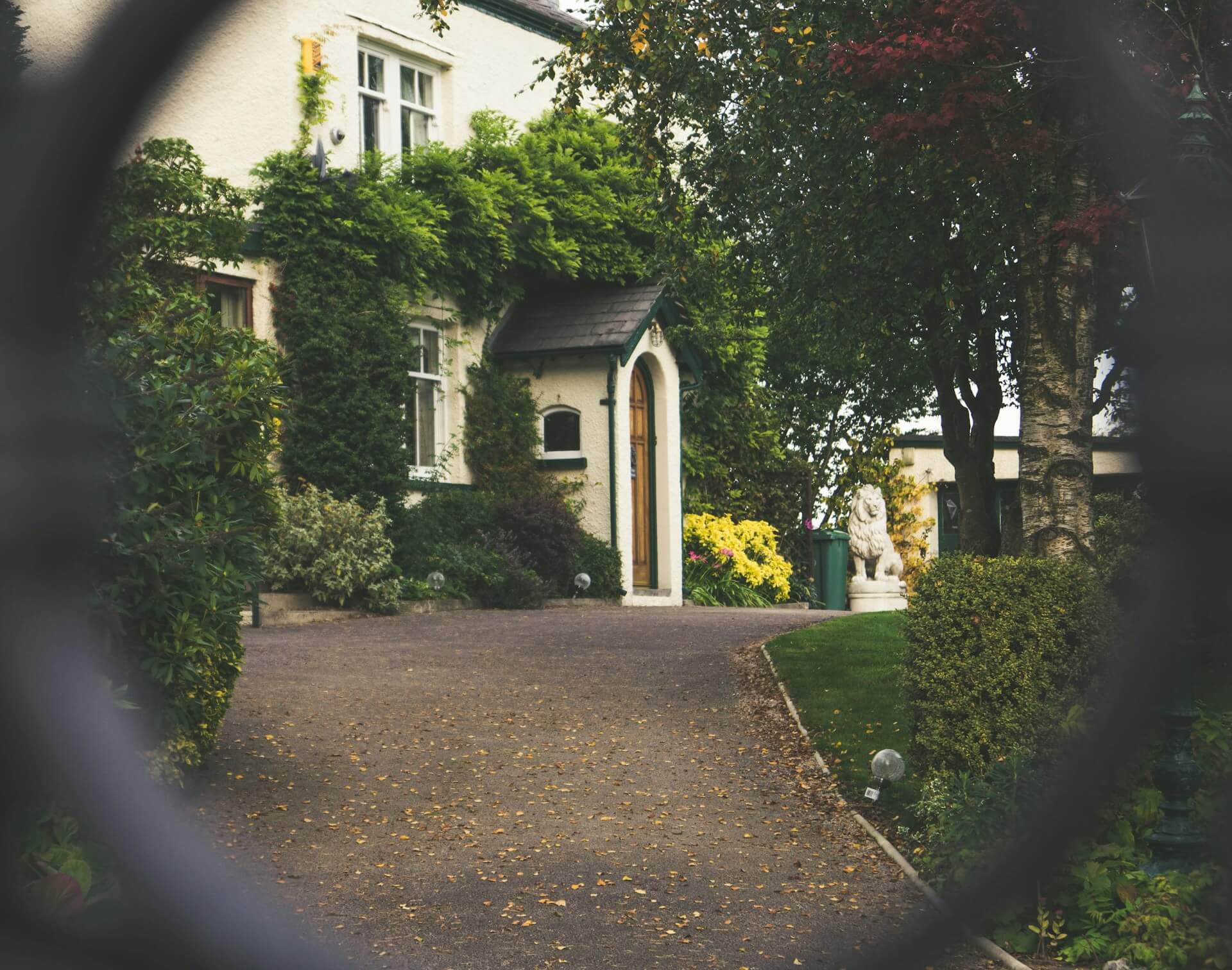

You finally have space at the front of your property for off-road parking. The driveway is planned, the design is sorted, and you are ready to stop circling the block looking for a space. Then you realise something important: without a dropped kerb, you cannot legally drive across the pavement.
If you are searching for dropped kerb installation in Newcastle: process guide, you are in the right place. Installing a dropped kerb is not just a case of lowering the pavement edge yourself. It involves permissions, safety standards and professional construction. At Newcastle Paving, we regularly guide homeowners and developers through the entire process, ensuring compliance and quality from start to finish.
In this comprehensive guide, I will explain what a dropped kerb is, why you need one, the step-by-step process in Newcastle, likely costs, and common pitfalls to avoid.
What Is a Dropped Kerb and Why Is It Necessary?
A dropped kerb, also known as a vehicle crossover, is a lowered section of pavement that allows vehicles to cross from the road onto private property. Standard kerbs are too high for vehicles and can cause damage if driven over repeatedly.
In Newcastle, as in the rest of the UK, it is illegal to drive across a pavement without an authorised dropped kerb. Doing so can result in fines or enforcement action.
Beyond legality, a properly installed dropped kerb protects public footpaths and underground utilities from damage.
If you are creating a driveway, dropped kerb installation in Newcastle is usually a required step.
Step 1: Checking Eligibility and Planning Permission
Before any physical work begins, you must confirm that your property qualifies.
Highway Authority Approval
In Newcastle, the local council acts as the highway authority. You must apply for permission before installing a dropped kerb.
The council assesses visibility, road safety, proximity to junctions and existing street furniture.
Planning Permission Considerations
In many cases, planning permission for the driveway itself is not required, provided it meets certain drainage standards. However, properties on classified roads or in conservation areas may require additional approvals.
It is important to check requirements before proceeding.
At Newcastle Paving, we advise clients to secure approvals before scheduling works.
Step 2: Site Assessment and Survey
Once approval is granted, a detailed site assessment is carried out.
This includes measuring the width of the proposed crossover and checking the pavement construction. We also assess existing drainage, gradients and underground services.
Some pavements contain utilities such as gas, water or telecom cables. Identifying these early prevents delays and ensures safe excavation.
Accurate surveying ensures the dropped kerb installation in Newcastle meets safety and structural standards.
Step 3: Utility Checks and Coordination
Before excavation, utility providers may need to be notified.
If services are present beneath the pavement, they may require protection or adjustment. In some cases, inspection chambers need to be relocated.
This stage ensures that essential infrastructure remains undamaged during installation.
Professional contractors coordinate with relevant bodies to avoid disruption.
Step 4: Excavation and Removal of Existing Kerb
Once permissions and checks are complete, physical works begin.
The existing raised kerbstones are removed carefully. The pavement structure behind them is excavated to allow for installation of the new crossover.
Excavation depth depends on soil conditions and expected vehicle load.
Correct removal and preparation are essential for long-term durability.
Step 5: Installing the Dropped Kerb Units
New kerbstones designed for vehicle crossovers are installed.
These units are typically reinforced and shaped to allow vehicles to transition smoothly from road to driveway. They are bedded on concrete to provide stability.
Proper alignment ensures safe access without creating trip hazards for pedestrians.
Precision at this stage ensures the finished dropped kerb installation in Newcastle looks neat and functions correctly.
Step 6: Reinstating the Pavement Structure
After kerb units are installed, the pavement structure is rebuilt.
A compacted sub-base supports the surface layer. The pavement may be finished in concrete, asphalt or paving slabs to match surrounding materials.
Reinstatement must meet council specifications to ensure uniformity and safety.
The goal is a seamless integration with the existing footpath.
Step 7: Final Inspection and Approval
In many cases, the local authority will inspect the completed work.
This ensures compliance with approved plans and construction standards. Once approved, the dropped kerb becomes an official and legal vehicle crossover.
Proper documentation protects homeowners from future disputes.
Professional installation ensures this final stage proceeds smoothly.
How Long Does Dropped Kerb Installation Take?
The timeframe depends on approvals and site complexity.
Council approval can take several weeks depending on demand. Physical installation typically takes one to three days, depending on pavement construction and utility coordination.
Weather conditions may influence scheduling, particularly during periods of heavy rainfall.
Planning ahead prevents unnecessary delays.
Costs of Dropped Kerb Installation in Newcastle
Costs vary depending on several factors.
Application fees charged by the council are separate from construction costs. Installation costs depend on crossover width, pavement type and utility considerations.
Additional charges may apply if drainage alterations or service adjustments are required.
A detailed quotation following site inspection provides clarity and prevents unexpected expenses.
While costs vary, investing in proper dropped kerb installation in Newcastle protects against fines and structural issues.
Common Mistakes to Avoid
Many homeowners underestimate the complexity of this process.
Attempting to lower a kerb without approval can result in enforcement action and costly reinstatement. Using unqualified contractors may lead to non-compliant work.
Skipping drainage considerations can cause water to flow incorrectly onto the pavement or road.
Avoiding shortcuts ensures legal compliance and long-term durability.
Integrating the Dropped Kerb With Your Driveway
A dropped kerb should align seamlessly with your driveway entrance.
Levels must be coordinated carefully to prevent scraping or water pooling. Proper design ensures vehicles transition smoothly from road to property.
At Newcastle Paving, we often coordinate driveway construction alongside dropped kerb installation to ensure consistency.
Integration enhances both functionality and appearance.
Safety and Accessibility Considerations
Dropped kerbs must maintain pedestrian safety.
The slope must be gentle enough to avoid trip hazards and accommodate pushchairs or mobility aids. Proper edge detailing ensures clear definition between road and footpath.
Adhering to safety standards protects both the homeowner and the public.
Compliance is not optional; it is essential.
Final Thoughts on Dropped Kerb Installation in Newcastle: Process Guide
Dropped kerb installation in Newcastle is a structured process involving approvals, surveying, careful construction and final inspection. It is not simply a matter of replacing a few kerbstones.
From council applications to reinstating the pavement, each stage must meet regulatory standards. Professional planning and execution ensure a legal, durable and visually consistent result.
At Newcastle Paving, we believe clarity and compliance are key to successful projects. With proper guidance and expert installation, your dropped kerb will provide safe, convenient access to your driveway for many years to come.
Get A Quick Quote
Please provide your contact details here and we’ll get back to you shortly with a quote. We aim to respond to all quote requests in 24 hours.